
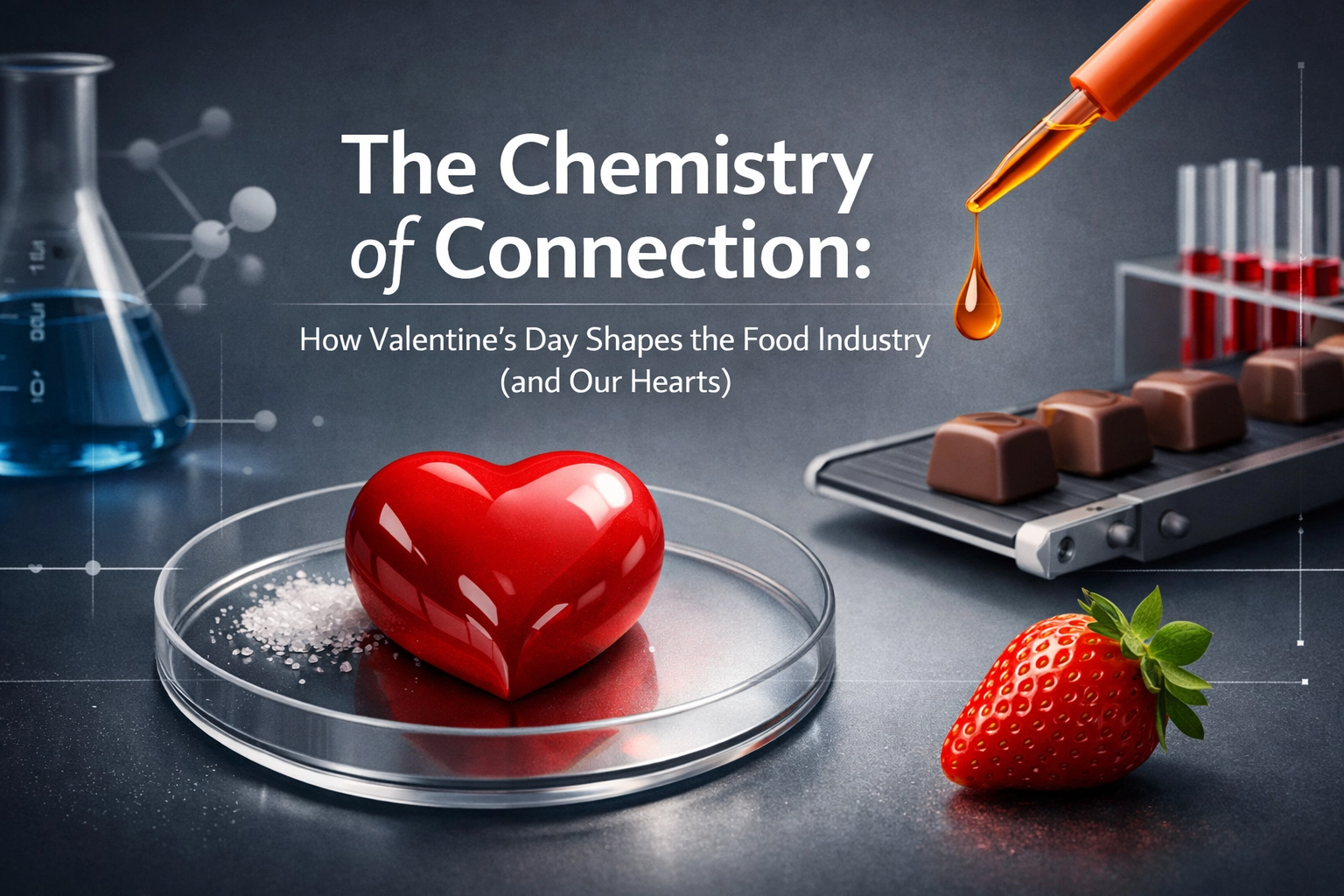
Here’s a fun fact: chocolate candy sales hit $2.15 billion during the four weeks leading up to Valentine’s Day 2025. That’s not just romantic, it’s scientifically strategic. Turns out, the connection between delicious food and matters of the heart isn’t just poetic metaphor. It’s biochemistry. And for product developers in the food industry, February 14th isn’t just a calendar date, it’s the Super Bowl of sensory formulation.
Love Is a Chemical Equation (And Chocolate Is the Catalyst)
Let’s start with the obvious: why does chocolate work as a love language?
The answer lies in a handful of bioactive compounds that your brain absolutely adores. Cocoa contains phenylethylamine (PEA), the same compound your brain releases when you fall in love. It triggers dopamine production, the neurotransmitter responsible for pleasure, motivation, and that giddy “can’t stop thinking about them” feeling. Add theobromine (a mild stimulant) and anandamide (the “bliss molecule”), and you’ve got a botanical cocktail designed to make people feel… well, feelings.
But here’s where it gets interesting for formulators: it’s not just about the cocoa anymore.
Modern consumers want their Valentine’s treats to do more than taste good. They want mood-boosting, guilt-reducing, gut-friendly indulgences. Enter the era of functional romance.
The Valentine’s Rush: When Supply Chains Get Romantic
Valentine’s Day is the second-largest gifting holiday in the U.S., trailing only Mother’s Day. For food manufacturers, this means one thing: you better have your ducks (or heart-shaped truffles) in a row by December.
The numbers tell the story:
- Candy industry retail sales hit $5.2 billion last year
- Wine, beer, and liquor generated a $238 million lift in the weeks leading to Valentine’s
- Restaurant revenue jumped 34% on Valentine’s Day compared to an average Friday
- Over 80% of flower orders on DoorDash were placed the day of, with chocolate orders surging 111%
What does this mean for the product developer? You’re formulating for an emotion-driven, last-minute, high-stakes retail event. Your ingredients need to perform under pressure, literally and figuratively.
Premium ingredients become non-negotiable. Consumers are willing to pay up for “the good stuff” on Valentine’s Day. That means:
✅ High-quality cocoa butter (not substitutes)
✅ Clean-label sweeteners (because guilt kills romance)
✅ Natural stabilizers that keep texture perfect through warehouse-to-doorstep journeys
✅ Functional additives that add a wellness halo without compromising indulgence
And you need these ingredients sourced, vetted, and ready to scale: months in advance.
Modern Love: Functional Chocolates and Better-for-You Sweets
Let’s talk trends. Because in 2026, love looks a little different than it did in 1926.
1. Mood-Boosting Ingredients Are the New Aphrodisiacs
Forget oysters. Today’s consumers want adaptogens, nootropics, and botanicals in their bonbons. We’re seeing:
- Ashwagandha-infused truffles (stress relief meets seduction)
- L-theanine dark chocolate (calm, focused romance)
- Saffron caramels (the world’s most expensive spice, known for mood elevation)
These aren’t gimmicks. Clinical research backs the connection between certain botanicals and serotonin/dopamine pathways. Product developers who can blend indulgence with function are winning shelf space: and hearts.
2. Clean Label Is the New Love Language
Consumers are reading ingredient decks like they’re love letters. And if they see anything they can’t pronounce? Swipe left.
The Valentine’s market is seeing explosive growth in:
- Natural sweeteners (allulose, monk fruit, stevia blends)
- Plant-based alternatives (oat milk chocolates, vegan caramels)
- Gut-friendly fibers (prebiotics that support the gut-brain axis)
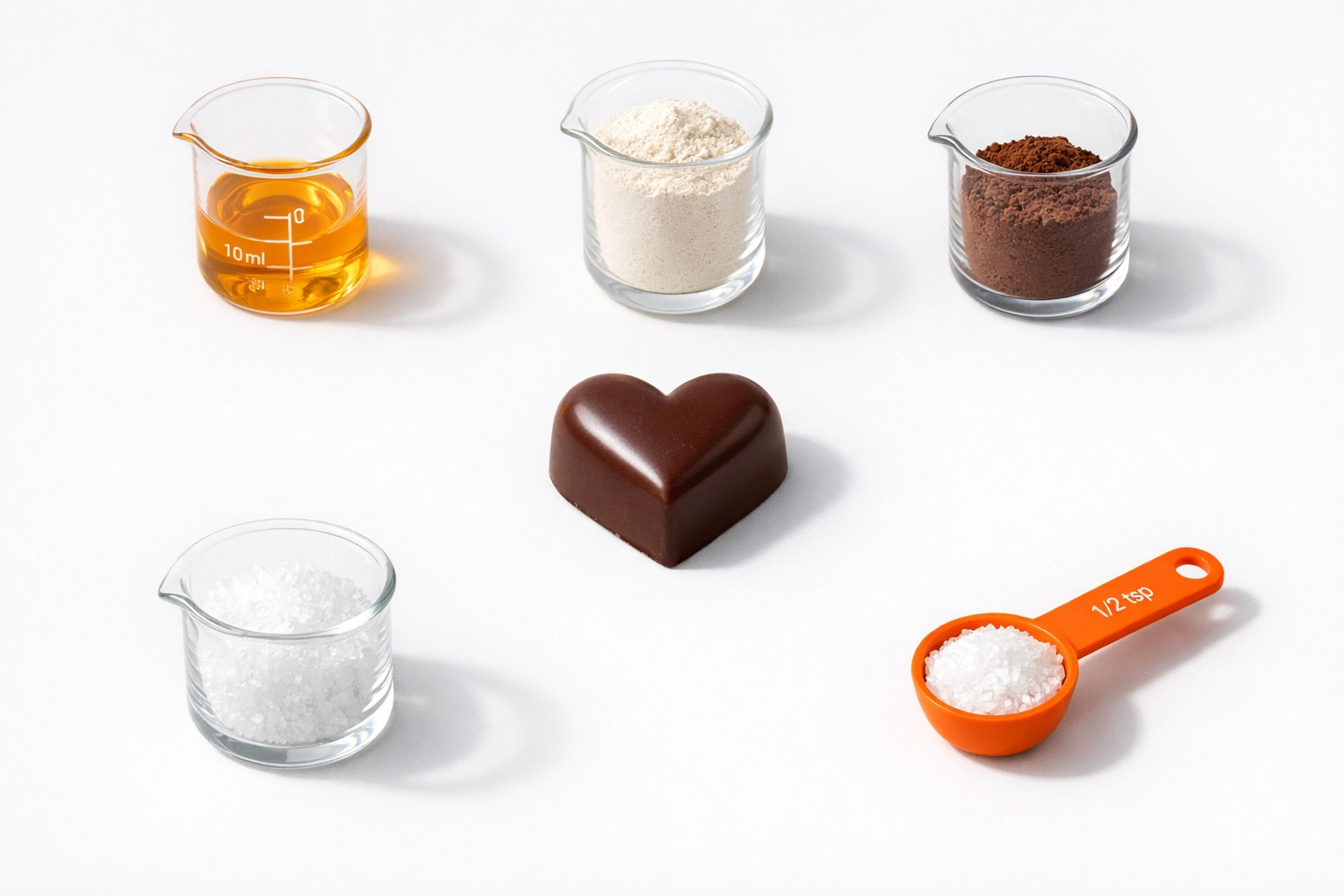
Here’s the formulation challenge: you still need that melt-in-your-mouth experience. Clean label can’t mean cardboard texture. This is where ingredient sourcing becomes critical. The right emulsifiers, stabilizers, and sweetener systems can deliver both the label appeal and the sensory magic.
3. Personalization and Premiumization
Valentine’s isn’t one-size-fits-all anymore. We’re seeing:
- Single-origin chocolates with flavor notes like wine
- CBD-infused sweets for relaxation-focused couples
- Keto and low-sugar options that don’t sacrifice taste
The willingness to pay premium prices on Valentine’s creates a rare opportunity for formulators to experiment with higher-cost, higher-impact ingredients: the ones that might not pencil out for everyday SKUs.
🧠 McBoeck Insight: The Ingredient Matchmaker
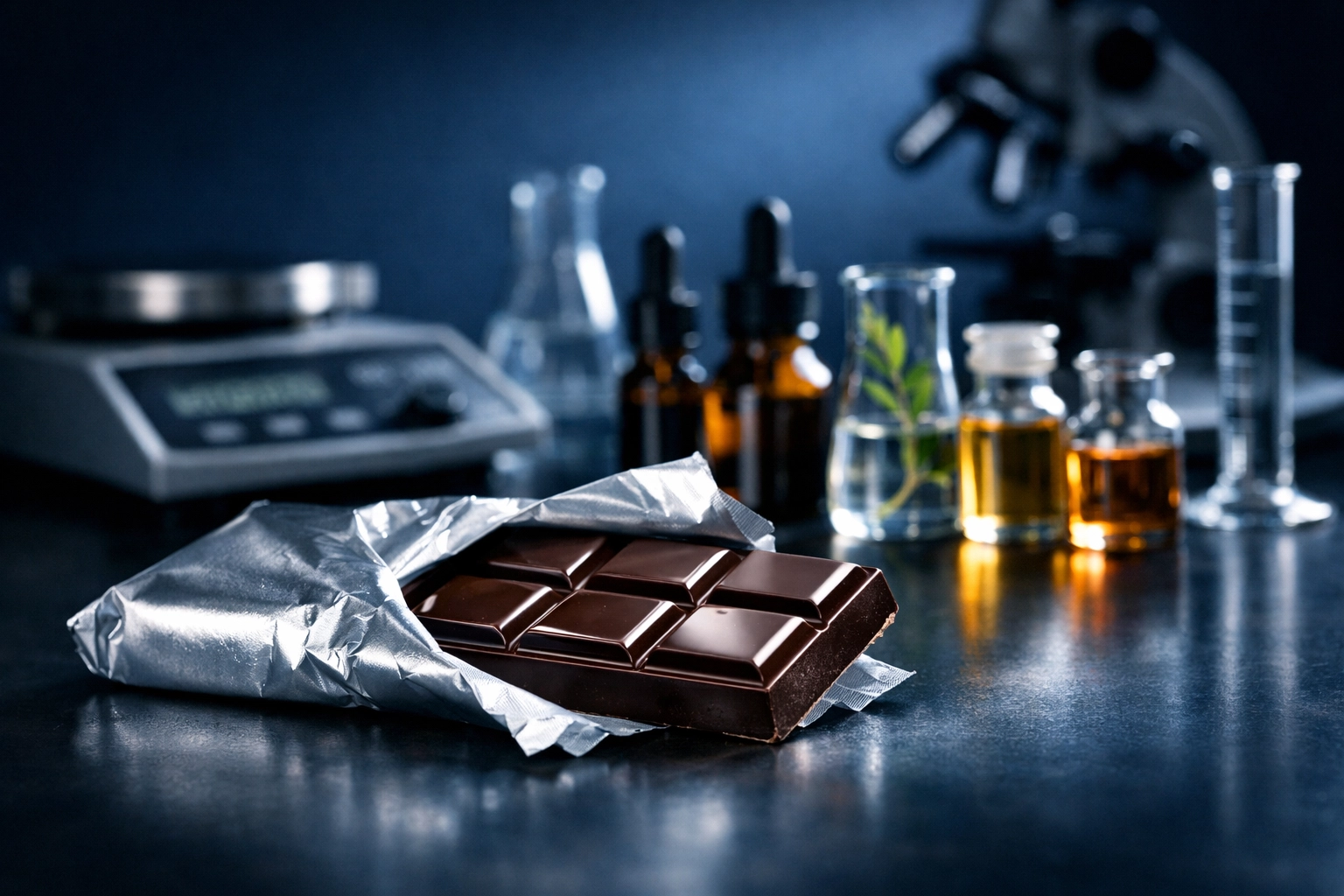
Here’s where McBoeck comes in. Think of us as the matchmaker between your formulation vision and the global ingredient reality.
Valentine’s products live or die on three things:
- Sensory perfection (texture, mouthfeel, flavor release)
- Label credibility (clean, transparent, premium)
- Supply reliability (because running out of stock on February 13th is a disaster)
We provide the premium-quality functional ingredients that make these “love-inducing” treats work: reliably and consistently. That means:
✔️ Specialty sweeteners that don’t spike blood sugar or trigger aftertastes
✔️ Natural emulsifiers and stabilizers that create silky ganaches and smooth coatings
✔️ Mood-supporting botanicals with the documentation and purity standards pharma-grade clients demand
✔️ Supply chain transparency so you know exactly where your cocoa butter or monk fruit extract originated
And because Valentine’s is a compressed, high-stakes timeline, we build buffer inventory and offer dual-sourcing strategies (U.S. + Europe) to ensure you’re never scrambling in January when everyone else is panic-ordering.
We’re not just moving molecules. We’re helping you create moments. The kind people remember. The kind that make them feel something.
The Science of Romance, Scaled
Here’s the thing product developers know but consumers don’t: creating that “love at first bite” experience is engineering.
It’s the precise balance of:
- Fat crystal structure in chocolate (Type V beta crystals = that perfect snap)
- Sugar-to-cocoa ratios that hit the dopamine sweet spot without being cloying
- Texture modifiers that create a slow, luxurious melt
- Flavor encapsulation that releases in waves (top notes → heart notes → finish)
And now, you’re layering in functional benefits: bioavailability of adaptogens, prebiotic fiber that doesn’t create off-flavors, natural colors that stay vibrant under heat.
This is where ingredient quality becomes non-negotiable. You can’t formulate a premium experience with commodity inputs. You need partners who understand both the chemistry and the emotion behind what you’re building.

Love Might Be Blind, But Formulation Isn’t
As inflation pushes candy prices up 10% year-over-year and consumers get pickier about what they’re willing to splurge on, the bar for Valentine’s products keeps rising.
The winners in this space will be the brands that understand: consumers aren’t just buying chocolate. They’re buying connection, indulgence, and maybe a little biochemical magic.
That means:
🎯 Formulating with intention (every ingredient should have a reason to be there)
🎯 Sourcing with integrity (traceability and quality documentation matter more than ever)
🎯 Planning with precision (Valentine’s waits for no one)
If you’re developing the next generation of Valentine’s products: whether that’s a functional chocolate bar, a mood-boosting truffle collection, or a gut-friendly candy innovation: you need ingredients that perform as well as they read on the label.
That’s where McBoeck comes in. We’re the bridge between your vision and your finished product: bringing you the specialty ingredients, supply chain reliability, and formulation support that turn a good idea into a shelf-worthy reality.
Because when it comes to Valentine’s Day, love might be spontaneous: but great formulation never is.
Ready to formulate something unforgettable? Let’s talk about how McBoeck can support your next innovation. Get in touch with our team and let’s create some chemistry.