
![[HERO] The Sweet Spot: Navigating the 2026 Shift to Natural, Label-Friendly Sweeteners](https://cdn.marblism.com/it7TkGvu_V3.webp "The Sweet Spot: Navigating the 2026 Shift to Natural, Label-Friendly Sweeteners 1")
There’s a reformulation tsunami happening right now in product development labs across North America. And it all revolves around one word: sugar.
Actually, scratch that. It’s about what’s replacing sugar—and whether your label can convince a skeptical consumer that what they’re tasting is both delicious and trustworthy.
If you’re an R&D lead at a food or beverage company in 2026, you already know the pressure. The “Added Sugar” line on the Nutrition Facts panel has become the new scarlet letter. Consumers are scanning labels like auditors, and nearly 50% of global shoppers are actively seeking sweeteners that cut calories without sounding like a chemistry experiment (Innova Market Insights, 2026).
Welcome to the era of Natural Sweetener 2.0—where the winners aren’t just the brands that can make things taste good. They’re the ones that can make things taste good and feel clean.
The Reformulation Reality: Why “Sugar-Free” Isn’t Enough Anymore
Let’s get one thing straight: consumers don’t hate sweetness. They hate guilt, they hate mystery ingredients, and they really hate that metallic aftertaste some older artificial sweeteners leave behind.
The old playbook—slap some aspartame or sucralose in there and call it “diet”—isn’t working anymore. In 2023, the International Agency for Research on Cancer classified aspartame as “possibly carcinogenic to humans.” Whether or not that science holds up long-term doesn’t matter as much as the perception it created. Shoppers are voting with their wallets, and synthetic sweeteners are losing ground fast.
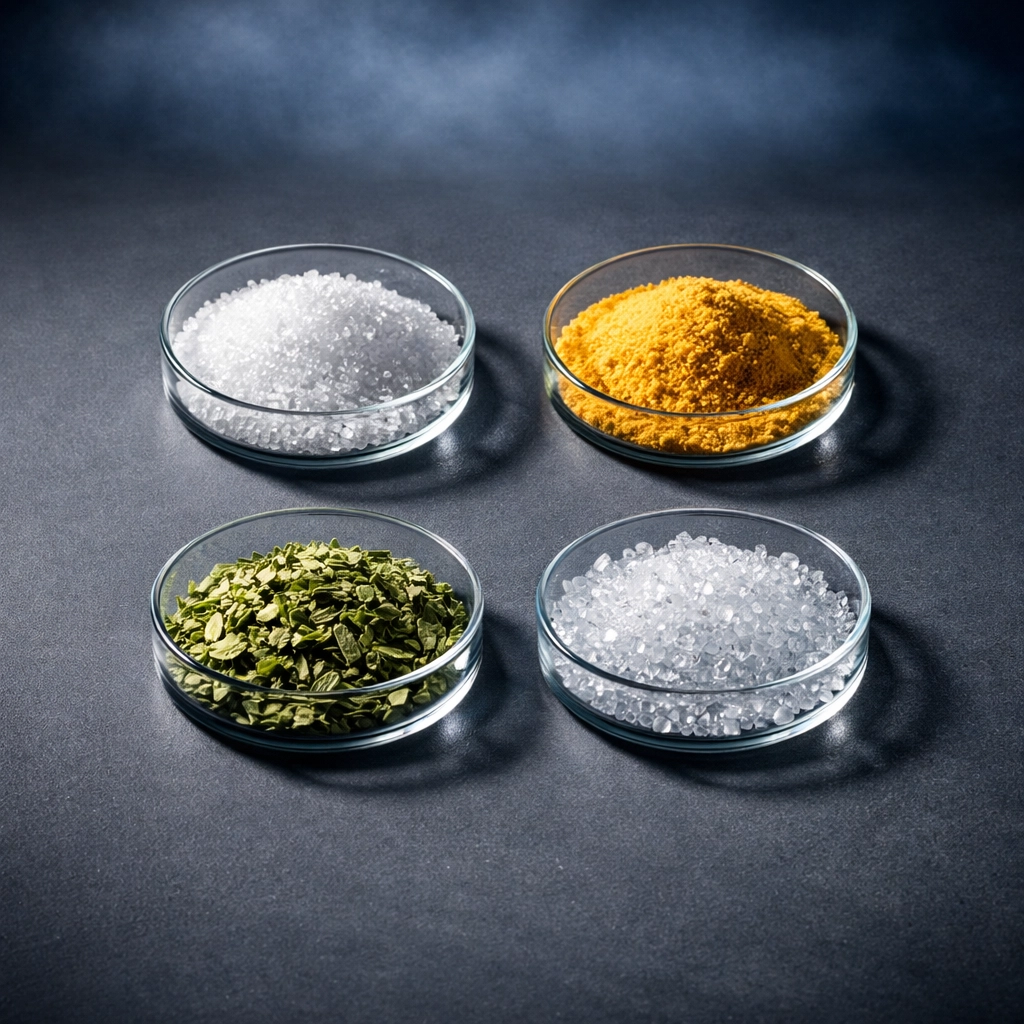
At the same time, over 420 million people globally are living with diabetes, creating massive demand for sweeteners that don’t spike blood glucose. Add in the rise of GLP-1 weight-loss drugs (Ozempic, Wegovy, etc.), and you’ve got a consumer base that’s hyper-focused on metabolic health but still craves indulgent flavors.
The solution? Natural sweeteners that deliver on taste, transparency, and function.
But here’s where it gets tricky: not all “natural” sweeteners perform the same way. And if you’re reformulating a beloved product, you need precision—not guesswork.
The New Sweetener Lineup: Who’s Winning in 2026?
The natural sweeteners market is projected to hit $40.44 billion in 2026, up from $37.45 billion in 2025. That’s not a bubble—that’s a structural shift in how food gets made.
Here’s who’s leading the charge:
Stevia Extract (Rebaudioside M, Reb D)
Stevia is the OG plant-based sweetener, but the 2026 versions are nothing like the bitter, licorice-tasting extracts from a decade ago. New refining methods—especially Reb M and Reb D—deliver clean sweetness that’s 200 to 400 times sweeter than sugar without the harsh aftertaste. Tate & Lyle’s recent launch of Optimizer Stevia 8.10 is a perfect example: it mimics sugar’s mouthfeel at higher replacement levels while cutting formulation costs.
Best for: Beverages, dairy alternatives, baked goods where you need serious sweetness without bulk.
Monk Fruit Extract (Luo Han Guo)
If Stevia is the veteran, Monk Fruit is the rising star. Consumers love its backstory (used in Traditional Chinese Medicine for centuries), and chemically, it’s a dream: zero calories, zero glycemic impact, and packed with antioxidants. It’s also expensive, which is why you rarely see it solo in formulations.
Best for: Premium functional beverages, wellness shots, and “better-for-you” confections where label appeal matters more than cost.
Erythritol
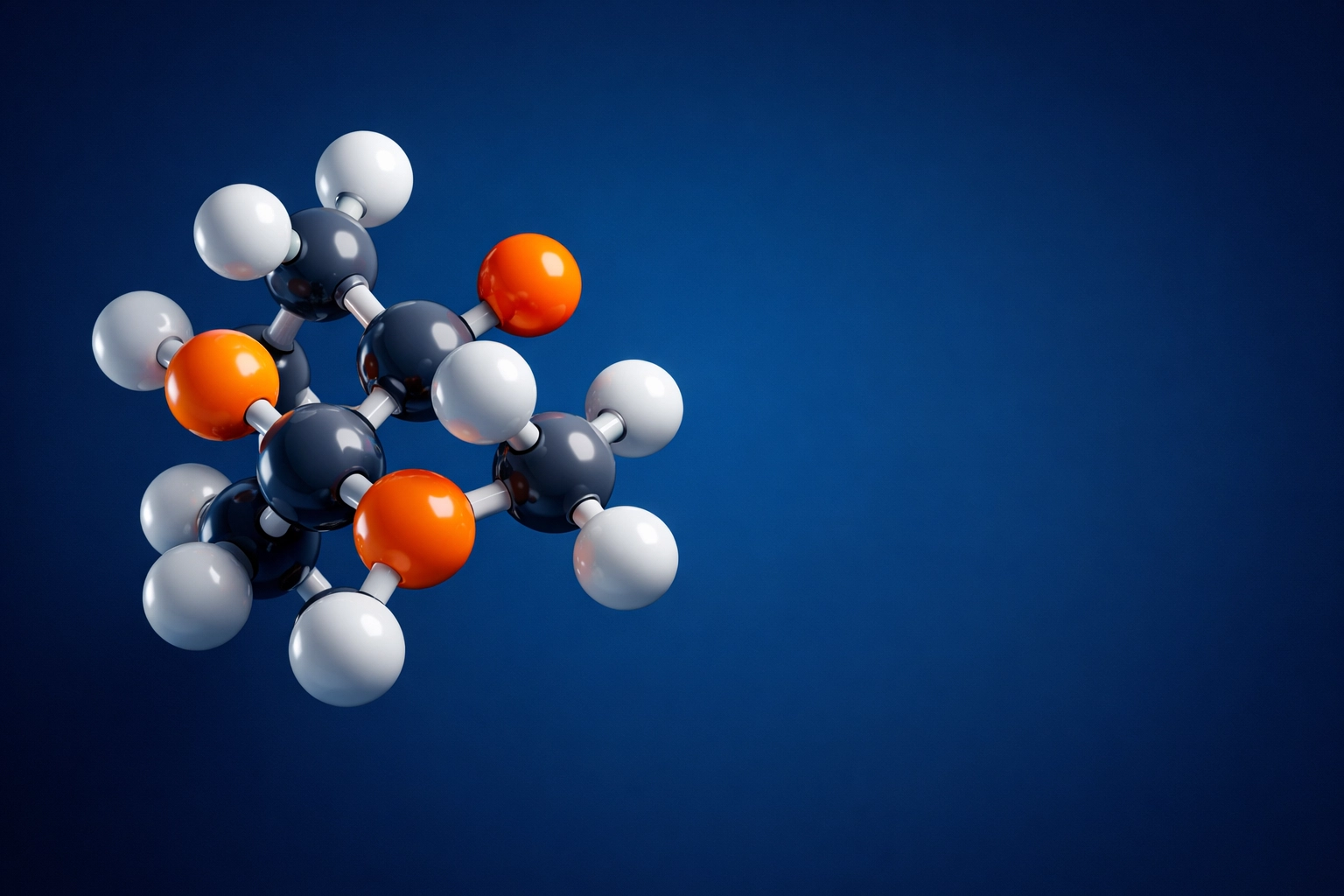
This sugar alcohol has become the workhorse of the natural sweetener world. It’s about 70% as sweet as sugar, has zero net carbs, and—unlike other polyols like sorbitol—it’s gentle on digestion. Erythritol also has a cooling effect, which makes it ideal for mint-flavored products or as a bulking agent in blends.
Best for: Sugar-free chocolates, protein bars, and any product where you need volume, not just sweetness.
Allulose
The new kid on the block. Allulose is technically a “rare sugar” (it exists naturally in figs and raisins) and delivers about 70% of sucrose’s sweetness with near-zero metabolic impact. It browns and caramelizes like real sugar, making it a game-changer for baked goods. The FDA even allows brands to exclude it from “Total Sugars” on labels as of 2019.
Best for: Cookies, sauces, frozen desserts—anywhere you need sugar’s functional properties, not just taste.
The Hybrid Revolution: Why Blends Are Beating Solo Acts
Here’s the thing: if you try to replace sugar 1:1 with just Stevia, you’re going to get complaints. If you go all-in on Monk Fruit, your margins are toast. If you lean too hard on Erythritol, your product might taste like you’re chewing an ice cube.
That’s why the smartest formulators in 2026 are using sweetener blends—typically a high-intensity sweetener (Stevia or Monk Fruit) paired with a bulking agent (Erythritol or Allulose). This approach lets you:
✅ Balance sweetness profiles (eliminate off-notes)
✅ Control costs (use less of the expensive stuff)
✅ Mimic sugar’s mouthfeel (critical for consumer acceptance)
✅ Stay clean-label compliant (all-natural, recognizable ingredients)
Think of it like seasoning a dish: a pinch of this, a dash of that, until the flavor sings.
🧠 McBoeck Insight: Your Reformulation Partner in the Clean-Label Era
This is where McBoeck comes in.
Reformulation isn’t just about swapping ingredients on a spec sheet. It’s about sourcing high-purity materials from reliable suppliers, understanding how they interact in your specific matrix, and locking in pricing so your margins don’t evaporate mid-quarter.
We’ve seen the scramble firsthand. When a brand decides to go “No Added Sugar,” their R&D team suddenly needs:
- Erythritol with the right particle size (so it dissolves properly in cold beverages)
- Stevia extracts with specific Reb profiles (because not all Stevias are created equal)
- Monk Fruit that’s actually pure (adulteration is rampant in the supply chain)
And they need all of this yesterday, with full COAs (Certificates of Analysis), allergen statements, and preferably from sources that won’t ghost them when demand spikes.
That’s what we do. We don’t just move pallets—we help you de-risk your supply chain and future-proof your formulations. Whether you’re launching a new line or scrambling to reformulate an existing SKU before the next label audit, we’ve got the sourcing chops and the inventory depth to keep you moving.