
Spot vs. Contract Buying: Which Is Better For Your Ingredient Strategy?
Picture this: You're a procurement manager scrolling through supplier emails on a Tuesday morning when you see it, citric acid prices just jumped 40% overnight. A trade petition just got filed, and your contract doesn't kick in until next quarter. You're stuck paying spot market rates during what might become the biggest ingredient shortage of 2026. Sound familiar? This is the eternal tug-of-war in ingredient procurement: Do you lock in a contract and pray the market doesn't crash? Or do you ride the spot market waves and hope you don't get caught in a storm? Here's the truth: Neither strategy is universally better. The optimal approach depends on your risk tolerance, your demand patterns, and, most importantly, how well you understand the markets you're buying from. Let's break it down. The Case for Spot Buying: Flexibility When You Need It Most Spot buying is the procurement equivalent of dating without commitment. You buy what you need, when you need it, at whatever the going rate is that day. No long-term contracts. No volume commitments. Just pure, unadulterated flexibility. When Spot Buying Shines Spot purchases work brilliantly when: Market prices are tanking and you want to capitalize on discounts. Why lock in a year-long contract at $5/kg when spot prices just dropped to $3.50? You need materials immediately due to unexpected demand spikes or supply chain hiccups. Your demand is unpredictable. If you're launching a new product line or testing formulations, spot buying lets you experiment without overcommitting. You want less administrative overhead. No formal agreements means less paperwork, fewer approval chains, and faster decisions. Spot buying also requires minimal working capital up front, which can be a lifesaver for smaller manufacturers or those managing tight cash flow. The Dark Side of Spot Buying Here's where it gets tricky. Spot buying exposes you to price volatility, and in 2026, volatility is the name of the game. Remember that citric acid petition filed in January? If you were relying on spot purchases, you likely saw prices spike as soon as the news broke. Tariffs of up to 252% were on the table, and anyone without a contract or safety stock was scrambling. Spot buying in a seller's market is like shopping for airline tickets on Thanksgiving morning, you're going to pay. The risks: Price spikes during shortages. When supply tightens, spot prices can explode overnight. No guaranteed supply. If a supplier runs out, you're back to square one, competing with everyone else for limited inventory. Higher per-unit costs. Spot purchases are typically smaller volumes, which means you lose out on bulk pricing discounts. Bottom line? Spot buying is your friend when markets are stable or declining, but it can turn into your worst enemy when supply chains get squeezed. The Case for Contract Buying: Stability You Can Bank On Now let's talk about contract buying, the long-term relationship approach. You negotiate a fixed or formula-based price with a supplier over a set period (usually 6–24 months), locking in both pricing and supply. When Contracts Are Your Best Bet Long-term contracts make sense when: Prices are rising or volatile. Locking in a fixed price protects you from market swings. If citric acid goes from $4/kg to $6/kg, you're still paying $4. You need steady, predictable supply. If you're manufacturing beverages at scale, you can't afford to run out of citric acid mid-production run. You want stronger supplier relationships. Contracts create partnerships. Your supplier knows they have your business, so they're more likely to prioritize your orders and offer technical support. You can forecast demand accurately. If you know you'll need 50 metric tons of leucine per quarter, a contract eliminates guesswork. Contracts also give you budget certainty, which is gold for finance teams. No surprise invoices. No emergency purchases at inflated prices. Just predictable costs that make CFOs smile. The Contract Trap Of course, contracts aren't without risk. The biggest danger? Market prices drop and you're stuck overpaying. Imagine you locked in a 12-month contract for dextrose at $2.80/kg in January 2026. By June, spot prices have fallen to $2.20/kg because a new supplier entered the market. You're contractually obligated to keep paying the higher rate, watching competitors undercut you on cost. Other risks include: Reduced flexibility. If demand drops unexpectedly, you're stuck with excess inventory or paying for materials you don't need. Supplier lock-in. If your supplier's quality slips or delivery times lag, you can't easily pivot to someone else. Opportunity cost. Your capital is tied up in committed purchases, limiting your ability to invest elsewhere. Contracts are powerful tools for managing risk, but only if you can accurately predict demand and market conditions. The McBoeck Sweet Spot: The Hybrid Approach Here's the thing most procurement pros eventually learn: you don't have to choose one or the other. The smartest ingredient strategies blend both approaches, using contracts to secure your core materials and spot buys to handle the rest. How the Hybrid Model Works Think of it like building a financial portfolio. You wouldn't put 100% of your retirement savings in one stock, right? Same logic applies to ingredient procurement. The 70/30 Rule: Many manufacturers lock in 70% of their annual ingredient needs through contracts, leaving 30% flexible for spot purchases. This gives you: Price protection on your high-volume, essential ingredients Flexibility to capitalize on market dips or handle unexpected demand Reduced risk if your forecasts are slightly off For example, if you're a beverage manufacturer, you might contract for your citric acid, dextrose, and ascorbic acid (your "core four"), but spot-buy specialty flavorings or experimental ingredients. 🧠 McBoeck Insight: Why Location Matters Here's where McBoeck's global positioning becomes a game-changer. We maintain strategically positioned inventories in both the U.S. and Europe, which means we can offer clients something most brokers can't: geographical arbitrage and risk hedging. Let's say citric acid prices spike in the U.S. due to new tariffs (like that January 2026 petition). If you're working with McBoeck, we can potentially source from our European network, bypassing the tariff
The GLP-1 Gap: How to Formulate “Companion” Products for the Weight-Loss Generation
Here’s a stat that should wake you up: over half of U.S. adults could benefit from GLP-1 medications like Ozempic, Wegovy, and Mounjaro. That’s not a niche market, that’s a seismic shift in how millions of people approach weight loss. And while Big Pharma is cashing in, there’s a massive nutritional gap opening up that nobody’s talking about enough. People are losing weight fast. Sometimes too fast. And when the pounds melt off, they’re not just losing fat, they’re losing muscle, bone density, and metabolic resilience. The result? A generation of GLP-1 users who desperately need companion products to protect what matters while they shed what doesn’t. If you’re a product developer, beverage formulator, or supplement manufacturer, this is your moment. Let’s talk about the GLP-1 Gap, and how to fill it. The Problem: Rapid Weight Loss Is a Double-Edged Sword GLP-1 receptor agonists work brilliantly. They signal fullness to the brain, slow gastric emptying, and regulate blood sugar and hunger hormones. The clinical results speak for themselves: patients routinely lose 15-20% of their body weight. But here’s the catch: when you lose weight that quickly without strategic intervention, you’re not just burning fat. You’re cannibalizing lean muscle mass. Studies show that up to 40% of weight lost on rapid diets can come from muscle, not fat. For GLP-1 users, that translates to: Decreased metabolic rate (less muscle = fewer calories burned at rest) Loss of functional strength (harder to carry groceries, climb stairs, live independently) Rebound weight gain (research from 2025 shows people who stop GLP-1s regain an average of 0.4kg monthly) This isn’t just a clinical problem. It’s a formulation opportunity. Because while doctors are prescribing lifestyle changes “alongside” GLP-1s, consumers need actual products that make those changes work. Enter the Companion Product Category Think about it: when someone starts a GLP-1 medication, they’re committing to a 12–18 month journey (minimum). During that time, they face: Suppressed appetite (making it hard to eat enough protein) Nausea and digestive slowdowns Risk of nutrient deficiencies The need to preserve muscle while shedding fat This creates demand for a new breed of products, let’s call them GLP-1 Companion Products, that solve these specific challenges. We’re talking about: High-protein, easy-to-digest shakes and bars formulated for people who can barely stomach a full meal Leucine-fortified beverages designed to trigger muscle protein synthesis even on low-calorie days Electrolyte + fiber hydration blends to combat dehydration and gut sluggishness Nutrient-dense “micro-meal” formats that pack vitamins, minerals, and BCAAs into small servings The beauty? These aren’t medical foods. They don’t require FDA approval as drugs. They’re functional foods and supplements, which means faster time-to-market and broader distribution channels. The Hero Ingredient: Leucine If you’re only going to remember one ingredient from this post, make it Leucine. Leucine is a branched-chain amino acid (BCAA) that acts as the metabolic “ignition switch” for muscle protein synthesis. When leucine hits your bloodstream, it activates the mTOR pathway, essentially telling your muscles, “Hey, we’re building, not breaking down.” Here’s why it’s critical for GLP-1 users: 1. Muscle Preservation Under Caloric Deficit When you’re eating 1,200 calories a day (common on GLP-1s), your body wants to scavenge protein from muscle tissue for energy. Leucine flips that script by signaling that protein should be used for muscle maintenance, not burned for fuel. 2. Low Dose, High Impact You don’t need massive servings. Studies show that 2.5–3 grams of leucine per meal is enough to maximize muscle protein synthesis, even on a restricted diet. That makes it perfect for small-format products (think: 8oz RTD shakes or single-serve powder sachets). 3. Fast Absorption Leucine gets to work within 30 minutes of ingestion. For someone battling nausea or early satiety, that speed matters. You want nutrients that act quickly and don’t sit heavy in the stomach. 4. Synergy with Protein Leucine works even better when paired with high-quality complete proteins (whey, pea, or collagen blends). A 20g protein shake with 3g of added leucine? That’s a muscle-preserving powerhouse. McBoeck Insight: We’ve been sourcing pharmaceutical-grade Leucine for years, and demand just doubled in Q1 2026. Manufacturers are waking up to this, but supply chains are tightening. If you’re planning a leucine-fortified product launch, now’s the time to lock in your ingredient partnerships, not six months from now when everyone else catches on. The Supporting Cast: Other Key Ingredients Leucine is the star, but it needs a solid ensemble. Here’s what else belongs in a best-in-class GLP-1 companion formula: High-Quality Protein (20–30g per serving) Go for fast-digesting options like whey isolate or plant-based blends (pea + rice). The goal: deliver all nine essential amino acids without overwhelming a sensitive stomach. Electrolytes (Sodium, Potassium, Magnesium) GLP-1 users often don’t drink enough water (suppressed thirst cues) or lose electrolytes through reduced food intake. Sodium and potassium prevent cramping, fatigue, and brain fog. Magnesium supports muscle function and sleep quality. Soluble Fiber (5–8g per serving) Psyllium husk or inulin can counteract the constipation caused by slowed gastric emptying. Bonus: fiber improves satiety and supports the gut microbiome, which takes a hit during rapid weight loss. Vitamin D3 + Calcium Rapid weight loss increases the risk of bone density loss. Pairing these two in a single serving protects skeletal health while muscle preservation is prioritized. Creatine Monohydrate (optional but smart) Emerging research suggests creatine helps preserve lean mass during caloric restriction, and it’s cheap, stable, and widely accepted by consumers. Market Opportunity: The Numbers Don’t Lie Let’s get real about scale. The GLP-1 drug market is projected to hit $100 billion annually by 2030. Even if companion products capture just 5% of that addressable market, we’re talking about a $5 billion opportunity. And it’s not just supplements. Think about: RTD Protein Shakes marketed as “GLP-1 Support” or “Lean Muscle Maintenance” Functional Snack Bars with leucine, fiber, and 15g of protein in a 150-calorie format Hydration Powders designed for people who struggle to drink plain water Meal Replacement Smoothies specifically portioned for reduced appetite The direct-to-consumer channel is exploding, and accessibility
The Citric Acid Alert: Why Your Next Shipment Might Get a Lot More Expensive (and What to Do Now)
If you're a beverage bottler, supplement manufacturer, or industrial baker, the ingredient you've taken for granted for years just became a major risk. And the clock is ticking. On January 21, 2026, three U.S. chemical giants: ADM, Cargill, and Primary Products Ingredients: dropped a bombshell. They filed anti-dumping and countervailing duty petitions with the U.S. Department of Commerce and the International Trade Commission, targeting citric acid and citrate salt imports from Canada and India. Translation? Your stable, affordable supply chain might be about to blow up. Here's what you need to know: and more importantly, what you need to do right now. The Trade Dispute No One Saw Coming Citric acid is everywhere. It's the workhorse acidulant in your sodas, the pH stabilizer in your supplements, the emulsifier in your baked goods. If you manufacture anything consumable, you've probably ordered citric acid this month without a second thought. But U.S. producers claim foreign suppliers have been dumping citric acid below fair market value: undercutting domestic manufacturers and distorting the market. Their petitions allege subsidies and unfair pricing practices that violate international trade law. The numbers are staggering: India: Potential duties up to 252% Canada: Potential duties up to 97% These aren't minor tariff adjustments. If the Commerce Department and ITC rule in favor of the petitioners, the cost of imported citric acid could more than double or even triple overnight. Timeline: When Your Supply Chain Gets Hit Here's the roadmap you need to watch: April 16, 2026: Preliminary countervailing duty (CVD) determination June 30, 2026: Preliminary anti-dumping (AD) determination Q4 2026: Final determinations expected If preliminary duties are imposed in April and June, they'll apply immediately: even before the final rulings. And here's the kicker: these duties can be applied retroactively to shipments already in transit or sitting in warehouses. You could place an order today at current prices and receive an invoice 90 days from now with a 200% duty tacked on. That's not a hypothetical scenario. It's how trade law works. 🧠 McBoeck Insight: Why This Feels Different We've navigated ingredient disruptions for decades: from pandemic-era shortages to geopolitical supply chain crunches. But this citric acid situation carries a unique risk profile. Unlike natural disasters or shipping delays that affect everyone equally, trade duties create winners and losers. Manufacturers who locked in supply contracts before preliminary determinations will have cost certainty. Those who wait will face spot market chaos, price spikes, and potential allocation shortages as suppliers prioritize existing customers. Here's what we're seeing on the ground: Argentina's citric acid import prices already fell sharply in January 2026 due to oversupply from Asian producers and improved shipping logistics. But that relief is temporary. Once duties hit, global pricing dynamics will shift violently. Chinese producers (who aren't targeted in this petition) will gain massive market share: but they'll also raise prices to capture the margin opportunity. The oversupply narrative that's been keeping prices low? It evaporates the moment Canadian and Indian imports become cost-prohibitive. Who Gets Hurt Most? Not all manufacturers face the same exposure. Here's the risk breakdown by industry: Beverage Bottlers Citric acid is critical for pH control, flavor enhancement, and preservative function in soft drinks, sports drinks, and functional beverages. Large bottlers with multi-year contracts might be insulated temporarily: but SME bottlers and craft beverage makers using spot purchases are in the danger zone. If you're producing food and beverages at scale, your procurement team should be stress-testing scenarios now. Supplement & Nutraceutical Manufacturers Citrate salts (calcium citrate, magnesium citrate, potassium citrate) are foundational ingredients in vitamins, minerals, and electrolyte formulations. Duties on citrate imports will squeeze margins on high-volume, price-sensitive SKUs. For pharmaceuticals and nutraceuticals producers, this isn't just about cost: it's about formulation consistency and regulatory documentation. Switching suppliers mid-stream creates compliance headaches and potential quality variances. Industrial Bakeries Citric acid functions as a dough conditioner, preservative, and flavor enhancer in bread, cakes, and processed baked goods. Industrial bakeries operate on razor-thin margins, and a 100%+ cost increase on a key ingredient cascades through the entire P&L. If you're in industrial-scale production, you're likely already feeling input cost pressure from wheat, sugar, and energy. Adding citric acid to that list could force difficult decisions: reformulation, price increases, or margin compression. What Happens If Duties Are Imposed? Let's game this out: Supply tightens: Canadian and Indian suppliers either exit the U.S. market or drastically reduce volumes. Remaining suppliers can't absorb the gap instantly. Prices spike: Spot market prices jump 50–150% within weeks. Long-term contract prices reset at renewal. Allocation begins: Suppliers prioritize high-volume, committed customers. Spot buyers and small-volume purchasers get pushed to the back of the line. Alternatives get expensive: Domestic U.S. citric acid production ramps, but capacity is limited. Chinese imports become the default alternative: and Chinese suppliers know it, so they raise prices accordingly. Reformulation pressures mount: Some manufacturers explore substitutes (lactic acid, ascorbic acid, acetic acid), but switching acids impacts flavor profiles, shelf stability, and regulatory filings. This isn't fear-mongering. This is the predictable economic outcome when 40%+ of your supply base suddenly becomes noncompetitive. Why Buying Now Makes Sense You might be thinking: "I'll wait and see. Maybe the petitions get dismissed." Here's why that's risky: Retroactive duties: Commerce can impose duties retroactively up to 90 days before preliminary determinations. Waiting until April could mean your March orders get hit with surprise costs. Supply allocation: Smart manufacturers are already securing volume commitments. If you wait until June, you might not be able to find supply, even at elevated prices. Budget certainty: Locking in pricing now lets you forecast costs, set retail prices, and avoid mid-year margin shocks. Negotiating leverage: Suppliers have less urgency to offer favorable terms after duties are announced. Buy now, and you're negotiating from strength. The downside of early action? You prepay for inventory that ties up working capital. But the upside: price protection, supply certainty, and competitive advantage: far outweighs the cash flow inconvenience. The McBoeck Advantage: Navigating Market Disruption At McBoeck, we don't just
Looking For Reliable Chemical Ingredient Supply? Here Are 10 Things You Should Know
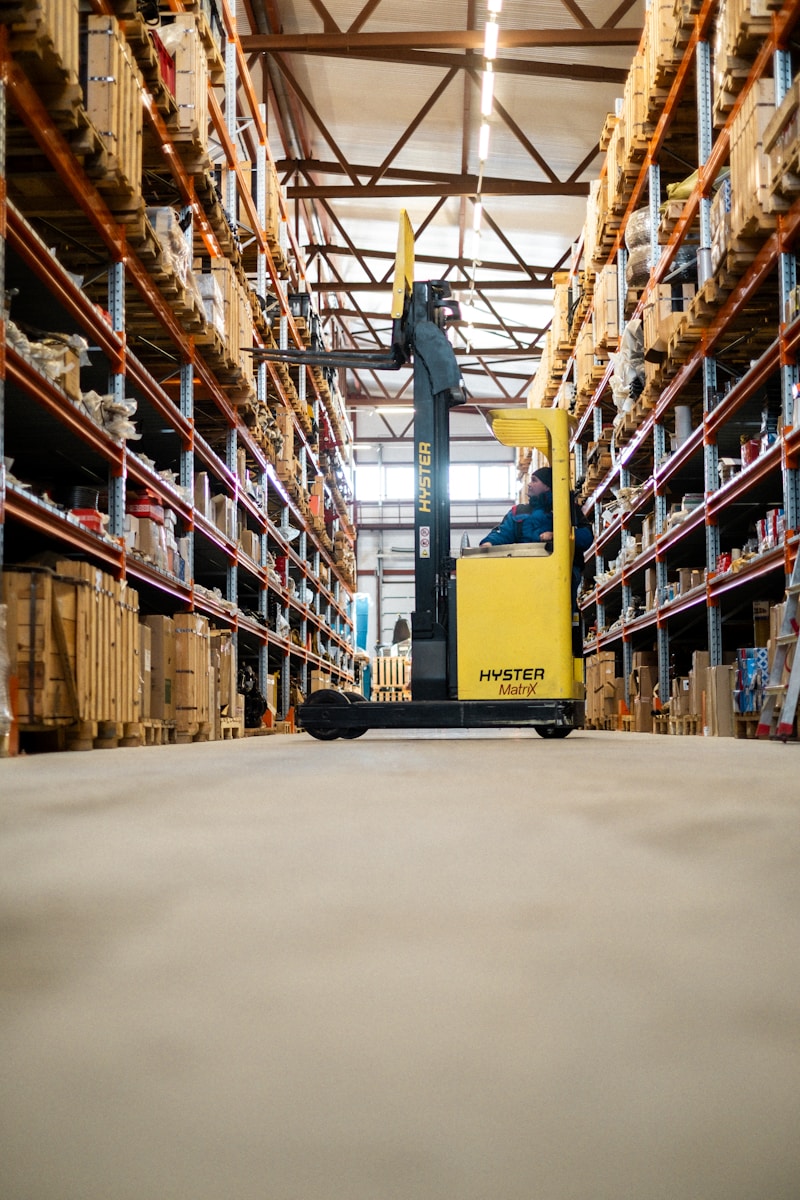
Here’s a number that should keep you up at night: 60% of supply chain disruptions originate from tier-two or tier-three suppliers: companies you’ve probably never even heard of. Yet your entire production line depends on them. Finding a reliable chemical ingredient supplier isn’t just about price per kilogram. It’s about building a partnership that protects your margins, your reputation, and your ability to deliver. Get it wrong, and you’re looking at production delays, compliance nightmares, and customers who won’t wait around while you figure things out. So before you sign that next supplier agreement, here are ten things you absolutely need to know. 1. Certifications Aren’t Optional: They’re Your First Line of Defense Let’s start with the basics. Any supplier worth their salt should hold ISO/GMP certifications and demonstrate compliance with regulatory bodies like the FDA, REACH, or whatever applies to your specific industry. This isn’t about collecting badges. It’s about ensuring every ingredient that enters your facility meets the standards your customers (and regulators) expect. Ask for documentation. Verify it. A supplier who hesitates here is waving a red flag. McBoeck Insight: We maintain rigorous compliance across every market we serve: from pharmaceuticals and nutraceuticals to food and beverages. Because when you’re working with us, compliance is built into the foundation. 2. Quality Control Should Be Obsessive (Not Just Adequate) Here’s a question: Does your supplier conduct quality audits regularly, or just when something goes wrong? Look for documented quality management systems, batch-to-batch consistency, and variation rates below 0.1%. The best suppliers treat quality control like a religion: not an afterthought. 3. Always Demand a Certificate of Analysis (COA) If a supplier can’t provide a detailed Certificate of Analysis for every shipment, walk away. Seriously. A proper COA should include: Purity levels (aim for 99%+ for critical solvents) Moisture content pH levels Impurity profiles (below 0.01% for high-grade applications) Testing methodology (HPLC/MS, FTIR, etc.) This document is your proof that what’s on the label matches what’s in the drum. Don’t compromise here. 4. Safety Documentation Is Non-Negotiable Every chemical ingredient should come with OSHA-compliant Safety Data Sheets (SDS). But go deeper: ask about specification sheets that detail allergens, microbiological limits, and handling requirements. For hazardous materials, verify that your supplier has spill response plans and PPE training records on file. This isn’t bureaucracy; it’s protecting your team and your facility. 5. Supply Chain Reliability Separates the Pros from the Amateurs You can have the best ingredients in the world, but if they don’t show up on time, none of it matters. Evaluate suppliers on their on-time delivery rates: anything below 95% should raise eyebrows. Ask tough questions: What’s your capacity to scale with my demand? Do you have contingency plans for disruptions? Where are your inventory positions located? That last question matters more than you might think. McBoeck Insight: We’ve strategically positioned inventory in both the US and Europe to ensure faster delivery times and protection against regional disruptions. Whether you’re manufacturing in Texas or Frankfurt, we’ve got you covered. Learn more about how we build tariff-proof supply chains. 6. Financial Stability Predicts Long-Term Partnership Potential Nobody wants to build a relationship with a supplier who might not exist in two years. Do your homework: Check credit ratings (Dun & Bradstreet scores above 80 are a good benchmark) Look for consistent revenue growth (5-10% annually signals health) Investigate any recent legal disputes or bankruptcy filings A financially stable supplier can invest in quality, innovation, and the kind of service that makes your life easier. 7. Hazmat and Logistics Compliance Protects Everyone If you’re dealing with hazardous materials: and in the chemical industry, you probably are: logistics compliance is critical. Verify that your supplier uses: UN-rated, DOT-compliant packaging Hazmat-certified transporters Real-time tracking capabilities One transportation incident can create regulatory headaches that haunt you for years. Choose suppliers who take this as seriously as you do. 8. Transparency Means Knowing the Whole Supply Chain Here’s where things get interesting. A great supplier doesn’t just know their own processes: they understand their entire supply chain from point of manufacture to your loading dock. Ask about their upstream suppliers. Inquire about their quality systems. Understand where potential bottlenecks or risks might hide. McBoeck Insight: Transparency isn’t a buzzword for us: it’s how we operate. We maintain visibility across our entire supply network so you never have to wonder where your ingredients are coming from or how they’re handled. Check out our quality standards to see what we mean. 9. Sustainability Credentials Are Good Business (Not Just Good PR) Let’s be real: sustainability matters to your customers, your investors, and increasingly, to regulators. Partnering with suppliers who prioritize ESG (Environmental, Social, and Governance) standards isn’t just ethical: it’s strategic. Look for: RSPO or bio-based certifications where applicable Carbon emissions data showing meaningful reductions (10-15% lower is a solid benchmark) EcoVadis ratings: Gold or Platinum ratings indicate serious commitment Choosing sustainable suppliers future-proofs your brand and opens doors to markets that increasingly demand it. 10. Technical Support Should Feel Like Partnership The best suppliers don’t just ship products: they help you succeed with them. Evaluate the level of technical support available: Can they provide formulation guidance? Do they offer access to detailed technical data? What’s their response time? (Under 24 hours is the standard you should expect) When questions arise: and they will: you want a partner who picks up the phone, not one who disappears until the next invoice. Building Your Approved Supplier List Finding one great supplier is a win. Building a system for evaluating all your suppliers? That’s a competitive advantage. Consider implementing: Element Purpose Approved Supplier List Centralized record of vetted partners Periodic Reviews Scheduled reassessments to ensure ongoing quality Risk-Based Prioritization Focus extra attention on suppliers of critical or high-value ingredients Strategic Relationships Deeper partnerships with key suppliers for better terms and collaboration This structured approach protects product safety, ensures quality, and keeps costs predictable over time. The Bottom Line Reliable chemical ingredient supply isn’t about finding the cheapest
How to Build a Tariff-Proof Ingredient Supply Chain in 5 Steps (Easy Guide for Manufacturers)
Tariffs don’t ask for permission. They just show up, and suddenly your margins evaporate. If you’re a manufacturer relying on imported ingredients, you’ve probably felt the sting. One policy shift, one geopolitical tremor, and your carefully balanced supply chain becomes a liability. The question isn’t if tariffs will disrupt your operations again. It’s when. But here’s the thing: the smartest manufacturers aren’t scrambling when tariffs hit. They’ve already built supply chains that bend without breaking. And you can too. Let’s walk through five actionable steps to tariff-proof your ingredient supply chain, so you can focus on growth instead of damage control. Why Tariff Resilience Matters More Than Ever Global trade has never been more unpredictable. Section 301 tariffs, steel and aluminum duties, shifting trade agreements, these aren’t anomalies anymore. They’re the new normal. For manufacturers sourcing chemical ingredients, food additives, or specialty raw materials internationally, this volatility creates real problems: Sudden cost spikes that wreck your pricing strategy Supply disruptions that halt production lines Compliance headaches that drain time and resources The manufacturers who thrive in this environment aren’t the ones with the deepest pockets. They’re the ones with the most adaptable supply chains. Step 1: Map Your Entire Supply Chain (Then Find the Weak Spots) You can’t fix what you can’t see. Start by creating a comprehensive inventory of every supplier, every material, and every country of origin in your supply chain. This isn’t a one-time exercise, it’s a living document that your procurement team should update regularly. Here’s what your map should include: Current primary suppliers for each ingredient Alternative suppliers (domestic and international) Country of origin for every raw material Current tariff exposure for each component Lead times and minimum order quantities Once you’ve got the full picture, identify where tariffs hit hardest. Which materials are most vulnerable? Which suppliers have no backup? These are your weak spots, and your starting points for building resilience. McBoeck Insight: We’ve seen too many manufacturers discover their supply chain vulnerabilities after a tariff announcement. The time to map your exposure is now, before the next policy shift catches you off guard. Our team regularly helps clients audit their ingredient sourcing to identify hidden risks. Step 2: Leverage Free Trade Agreements Like a Pro Free Trade Agreements (FTAs) aren’t just for policy wonks. They’re powerful tools that can slash your tariff burden, if you know how to use them. The key is understanding rules of origin. These rules determine whether your products qualify for preferential tariff treatment under agreements like USMCA (for North America) or various EU trade partnerships. To qualify, you typically need to prove that: A specific percentage of your product’s value originates from partner countries Manufacturing or processing meets certain requirements Documentation is complete and accurate This isn’t about gaming the system. Regulators are increasingly examining the totality of your supply chain circumstances, not just your paperwork. Your sourcing strategy needs to reflect genuine production processes. Quick wins to explore: Source ingredients from FTA partner countries Adjust manufacturing locations to meet origin requirements Work with customs experts to ensure proper classification Step 3: Optimize Your Product Classification Here’s a secret that saves manufacturers thousands: the way your ingredients are classified matters enormously. Every imported product gets assigned a Harmonized System (HS) code, which determines its tariff rate. But here’s where it gets interesting, the same material at different processing levels can qualify for completely different rates. What to do: Audit your current HS classifications for accuracy Identify materials that might qualify for more favorable codes Consider whether changing the processing level of inputs could reduce duties Explore material substitutions (replacing high-tariff inputs with lower-duty alternatives) This isn’t about cutting corners. It’s about making sure you’re not overpaying due to misclassification, something that happens more often than you’d think. McBoeck Insight: We’ve helped clients uncover significant savings simply by reviewing their product classifications. Sometimes the fix is as simple as adjusting documentation. Other times, it means rethinking how materials are processed before they reach you. Step 4: Diversify with Domestic and Regional Sourcing The most bulletproof way to avoid tariffs? Source ingredients that never cross a tariff-affected border in the first place. Domestic and regional sourcing eliminates tariff exposure entirely, but the benefits go further: Shorter lead times mean faster response to demand changes Reduced shipping costs improve your total cost of ownership Supply chain reliability increases when you’re not dependent on overseas logistics Simplified compliance with fewer international regulations to navigate Yes, domestic ingredients sometimes carry higher upfront costs. But when you factor in tariffs, freight, port handling, insurance, and the risk of delays, the math often favors local sourcing. The strategic play: Build a hybrid network with both domestic and international suppliers. This gives you flexibility to shift sourcing based on market conditions: without scrambling when tariffs change. McBoeck Insight: This is exactly why we’ve invested in strategic inventory positioning across both the US and Europe. When one market faces tariff pressure, our clients can pivot to pre-positioned inventory in the other: without production delays. It’s supply chain resilience by design, not by accident. Learn more about our approach. Step 5: Take Advantage of Tariff Exclusions and Duty Programs Governments don’t just impose tariffs: they also create programs to soften the blow. The manufacturers who win are the ones who know how to access these relief mechanisms. Programs worth exploring: Program What It Does Section 301/232 Exclusions Exemptions for specific products from China-related or steel/aluminum tariffs Duty Drawback Refunds on tariffs paid for imported materials if your final product is exported Foreign Trade Zones (FTZ) Designated areas where goods can be imported, manufactured, and re-exported without paying duties Bonded Warehouses Temporary import programs that defer or eliminate duties These programs require paperwork and compliance: but the savings can be substantial. If you’re exporting finished goods, duty drawback alone can recover up to 99% of the tariffs you’ve paid on imported ingredients. Pro tip: Don’t wait until tariffs hit to explore these options. The application processes can
7 Costly Mistakes You’re Making with Ingredient Sourcing (and How to Fix Them)

Your ingredient sourcing strategy is either your competitive advantage, or your Achilles’ heel. There’s no middle ground. Whether you’re formulating the next breakthrough pharmaceutical, developing a clean-label beverage, or scaling a food production line, the ingredients you source dictate everything: your product quality, your margins, your compliance status, and ultimately, your reputation. Yet here’s the uncomfortable truth: most companies are making the same avoidable mistakes over and over again. And in a world where supply chains are more volatile than ever, these errors aren’t just inefficiencies, they’re existential risks. Let’s break down the seven most common ingredient sourcing mistakes we see across the food, beverage, and pharma industries, and more importantly, how to fix them before they cost you. Mistake #1: Putting All Your Eggs in One Supplier’s Basket You found a great supplier. They’re reliable, the pricing is right, and the relationship is solid. So why would you need anyone else? Here’s why: one supplier means one point of failure. Geopolitical tensions, natural disasters, port congestion, or even a single quality incident can shut down your entire supply chain overnight. We’ve seen it happen to brands of all sizes, and the recovery is painful. The Fix: Diversify your ingredient sourcing base across multiple regions and vendors. Yes, managing more relationships takes effort. But spreading risk across two or three qualified suppliers protects you from disruptions that could halt production entirely. Think of it as insurance you’ll be grateful you have. Mistake #2: Treating Quality Control as a Checkbox Exercise Too many companies view quality assurance as a compliance requirement rather than a strategic function. They accept certificates of analysis at face value, skip routine testing, and assume their suppliers are handling everything. Until they’re not. Inadequate quality control opens the door to contamination, adulteration, and regulatory nightmares. And in sectors like pharma and food, one bad batch can destroy years of brand equity. The Fix: Establish clear, non-negotiable quality standards. Require suppliers to conduct microbial checks, pesticide monitoring, and identity verification as routine procedures, not occasional audits. If a supplier gets evasive when you ask about testing protocols and documentation, consider that your cue to look elsewhere. At McBoeck, quality isn’t a department, it’s a philosophy that runs through every partnership we build. Mistake #3: Running Too Lean with Just-in-Time Inventory Just-in-time inventory models look great on spreadsheets. Minimal warehousing costs, reduced waste, maximum efficiency. But here’s what those models don’t account for: the real world. Freight delays, port congestion, supplier shortages, and demand spikes don’t care about your inventory optimization strategy. When you’re running lean and something goes wrong, you’re stuck, scrambling for alternatives while your production line sits idle. The Fix: Shift your mindset from just-in-time to just-in-case. Hold buffer stock of your most critical ingredients. The additional carrying cost is a fraction of what you’d lose from production downtime or emergency ingredient sourcing at premium prices. Mistake #4: Operating Without True Supply Chain Transparency Can you trace every ingredient in your product back to its origin? Do you know every intermediary that touched it along the way? If you hesitated, you’re not alone, but you are exposed. Insufficient documentation makes it nearly impossible to verify ingredient authenticity, detect fraud, or respond quickly to recalls. And as regulations tighten globally, transparency isn’t optional, it’s mandatory. The Fix: Implement detailed traceability records that include ingredient specifications, supplier assessments, and certification requirements. Every ingredient should have a documented chain of custody. This transparency doesn’t just protect you from fraud, it positions you as a trusted partner to customers who increasingly demand visibility into their own supply chains. Mistake #5: Underestimating Fraud and Adulteration Risks Supply chain fraud is more sophisticated than ever. Suppliers mixing materials, fabricating origins, substituting cheaper ingredients, using undisclosed processing methods, it’s happening across industries. High-risk categories like botanicals, spices, and specialty APIs are particularly vulnerable due to complex supply chains with multiple intermediaries. Each handoff creates an opportunity for manipulation. The Fix: Verify everything. Cross-reference documentation, establish continuous monitoring systems, and flag inconsistencies immediately. For high-risk ingredients, consider third-party testing and authentication services. A healthy dose of skepticism isn’t cynicism, it’s due diligence. Mistake #6: Ignoring the Regulatory Landscape Regulations vary wildly by market, and they’re constantly evolving. An ingredient that’s perfectly legal in one country might be restricted or banned in another. Import something without understanding the regulatory framework, and you could find your entire product line suddenly non-compliant. This isn’t hypothetical. It happens regularly to companies that assume their suppliers have handled the regulatory homework. The Fix: Invest in regulatory compliance expertise, either in-house or through trusted partners. Understand both the origin country’s regulations and your target market’s requirements. Work with importers and consultants who specialize in your industry and can navigate the complexities on your behalf. For food ingredient sourcing specifically, the FDA’s Food Ingredients & Packaging guidelines provide essential compliance frameworks. Mistake #7: Managing Procurement Like It’s 1995 Spreadsheets everywhere. Inconsistent ordering practices. No standardized procedures. Overstocking some ingredients while running out of others. Ignoring FIFO (first-in, first-out) protocols and watching perfectly good inventory expire. Poor procurement management doesn’t just waste money, it creates chaos that ripples through your entire operation. The Fix: Implement centralized procurement systems with clear ordering-to-par procedures. Standardize your processes across locations. Track inventory in real-time. And yes, actually follow FIFO: it exists for a reason. McBoeck Insight: Why This Matters More for Growing Brands Here’s something we’ve observed across hundreds of partnerships: smaller and mid-sized brands are three times more likely to find ingredient sourcing difficult than their larger competitors. Why? Because they lack the volume to demand priority from suppliers, the internal resources to manage complex supply chains, and often the experience to anticipate problems before they escalate. If that sounds familiar, here’s our advice: prioritize relationships over transactions. You may not be able to compete on volume, but you can compete on trust. Build deep, transparent partnerships with suppliers who value your business and understand your needs. A supplier who treats you as
The Empty Warehouse
You ordered in June. It is now August. The line is stopped. Not because of quality. Not because of demand. Because the container is sitting at a port you’ve never heard of, waiting for a signature you’ll never see. A pharmaceutical manufacturer loses $1.2 million per day when production halts. A bakery runs out of ascorbic acid and ships crackers instead of bread. These are not hypotheticals. This is Tuesday in 2026. The question is not whether your supply chain will break. The question is: when it does, how long before your customers notice? The Math of Waiting Every day your ingredient doesn’t arrive costs you more than the ingredient itself. Production lines idle at $50,000 per hour. Contracts expire. Competitors fill the gap. By the time your Vitamin C shipment clears customs, your Q1 revenue is gone. In 2026, tariffs swing 30-40% without warning. Climate disruptions cause ten times more damage than 25 years ago. Single-source suppliers disappear overnight—not because they failed, but because a cyclone hit their only factory. The old playbook—lowest price, single supplier, just-in-time delivery—is a recipe for empty warehouses. Diversification Is Not a Buzzword. It Is Survival. The fix is boring. It works. Stop ordering from one place. Uganda vanilla. Indian folic acid. Domestic pea protein. Multiple origins for the same ingredient. Stop optimizing for lowest price. Optimize for sleep. The supplier who delivers on Tuesday—not Thursday—is worth the premium when your line is running. 85% of life sciences firms increased investment in supply chain resilience in 2026. Not because it was strategic. Because they had no choice. The companies still running single-source strategies are not saving money. They are borrowing time. Two Days vs. Two Weeks The difference between a supplier who delivers in two days and one who takes two weeks is not convenience. It is the cost of stopped production. When your line is idle, every hour costs $50,000. Every day costs $1.2 million. Every week costs market share you will never recover. You do not need the cheapest supplier. You need the one who shows up. In 2026, resilience beats efficiency. Visibility beats cost. Diversification beats optimization. The companies that win this year are not the ones with the lowest ingredient costs. They are the ones whose warehouses are never empty. Ready to build a more resilient supply chain? Contact McBoeck today to discuss diversified sourcing strategies that keep your production running.