![[HERO] The Invisible Architect: Why the Brand Behind the Brand is Your Real Quality Guarantee](https://cdn.marblism.com/_qyCulS6PkS.webp "The Invisible Architect: Why the Brand Behind the Brand is Your Real Quality Guarantee 1")
You check the label. The brand looks premium. The marketing tells a beautiful story. The package promises purity, safety, and excellence.
But here’s the question nobody asks: Who made the ingredients inside?
That bottle of vitamin C serum, that energy bar, that pharmaceutical tablet: they’re only as safe as the raw materials that built them. And those materials? They came from somewhere. From someone. From a supply chain you never see.
Welcome to the world of the Invisible Architect.
The Brand Illusion: Why the Logo on the Front Doesn’t Tell the Whole Story
We live in a brand-obsessed world. Companies spend billions crafting identities, stories, and emotional connections. And it works. You trust the name on the bottle because you’ve been told to.
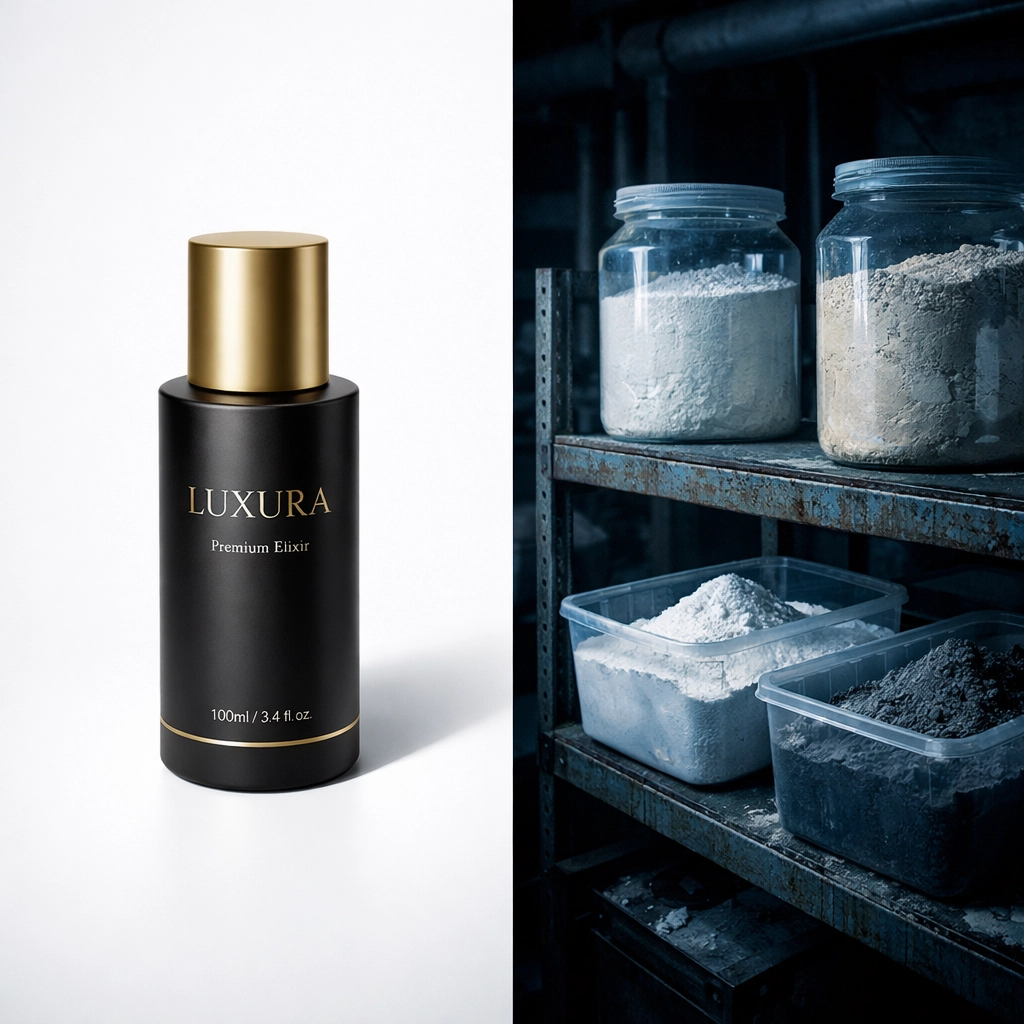
But here’s the uncomfortable truth: most brands don’t manufacture their own ingredients.
That premium skincare line? They’re sourcing sodium hyaluronate from a supplier. That organic snack brand? Their citric acid comes from a chemical distributor. That trusted pharmaceutical company? Their active ingredients are purchased from a global ingredient network.
And if that supplier cuts corners: uses contaminated materials, skips quality testing, or sources from unreliable origins: the brand on the bottle becomes a false promise.
This is the fatal flaw of brand-only thinking. You’re placing all your trust in the architect’s signature while ignoring the foundation, the steel beams, and the concrete that actually hold the building up.
The Hidden Risks: What Happens When Ingredients Fail
Ingredient failures aren’t theoretical. They’re documented, devastating, and more common than anyone wants to admit.
In 2008, melamine-contaminated milk powder from China led to the deaths of six infants and sickened 300,000 more. The brands on the labels were recognizable. The ingredient supplier? Not so much.
In 2021, ethylene oxide contamination in guar gum and carob gum forced massive recalls across Europe: affecting ice cream, baked goods, and desserts from household-name brands.
In 2022, the FDA shut down a major infant formula plant due to contamination, creating a nationwide shortage that left parents scrambling. The brand was trusted. The manufacturing practices weren’t.
The pattern is clear: When ingredient transparency breaks down, safety breaks down.
Consumers don’t care about your supplier excuses. They care about safety. They care about quality. And increasingly, they care about transparency.
This is why ingredient transparency isn’t just a buzzword. It’s a survival strategy for brands: and a safety guarantee for consumers.
The McBoeck Standard: How Invisible Architects Build Real Quality Guarantees
At McBoeck, we don’t sell products to consumers. We sell certainty to the brands that do.
Every ingredient we source: from ascorbic acid to xanthan gum to citric acid: goes through a multi-layer vetting process that most distributors skip.
Here’s what that actually means:
1. Strategic Sourcing from Verified Origins
We don’t just buy from whoever offers the lowest price. We build relationships with manufacturers who can prove their compliance, track their materials, and stand behind their processes.
Every supplier we work with must meet:
- ISO certification standards
- FDA-compliant manufacturing practices (for food and pharma ingredients)
- Third-party audits and inspections
- Full batch traceability and documentation
2. Rigorous Testing Before, During, and After
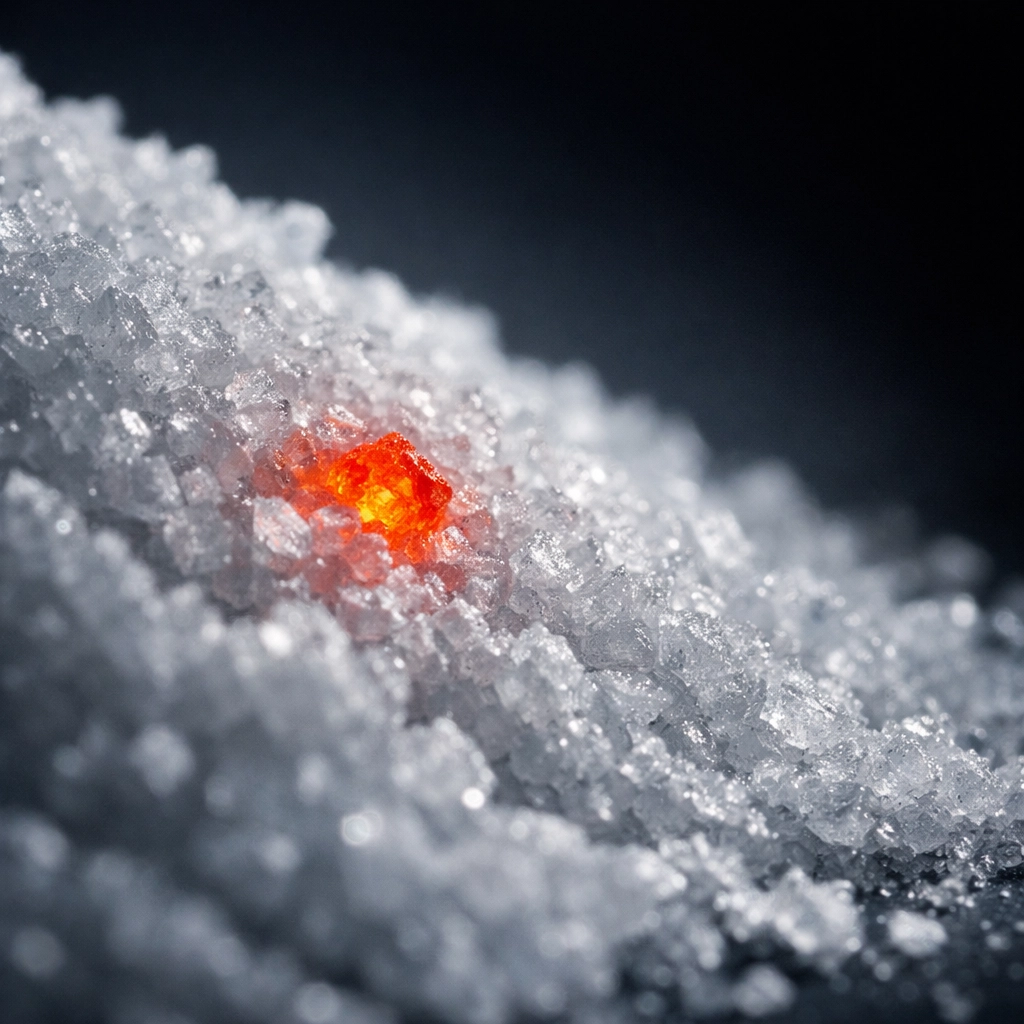
We test every batch. Not sample testing. Not occasional audits. Every single batch.
Why? Because consistency is the only real guarantee. A supplier might deliver perfection 99 times: but that 100th contaminated batch is the one that ends up on the news.
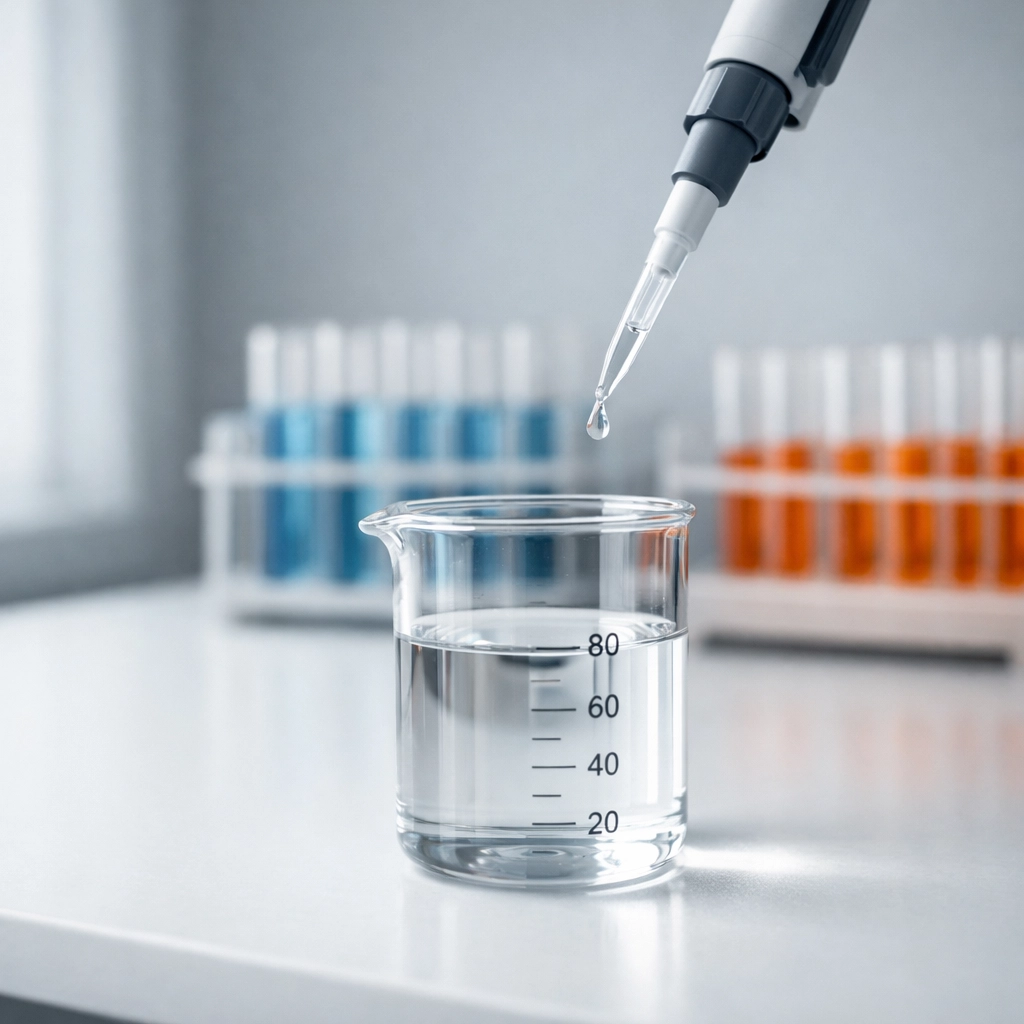
Our testing covers:
- Chemical composition and purity
- Microbial contamination
- Heavy metals and toxins
- Stability and shelf-life verification
This isn’t about checking boxes. It’s about making sure that when a brand puts their name on a product, the ingredients inside deserve that trust.
3. Transparency You Can Trace
We provide full documentation for every ingredient: Certificates of Analysis (CoA), Material Safety Data Sheets (MSDS), and origin certifications.
If a question comes up six months after delivery, we can trace that batch back to its exact source, production date, and testing results.
That’s the kind of transparency that prevents catastrophes.
It’s also the kind of transparency that separates world-class brands from the ones that get caught in recall scandals.
Why Consumers Should Start Asking: “Who’s Behind This Ingredient?”
You wouldn’t buy a car without asking who made the engine. You wouldn’t hire a contractor without checking their materials supplier.
So why do we give food, pharma, and personal care products a free pass?
Here’s what smart consumers are starting to demand:
✅ Ingredient transparency labels – Not just “Contains Vitamin C,” but “Vitamin C sourced from ISO-certified facilities via McBoeck.”
✅ Supplier guarantees – Brands that can name their ingredient partners and prove their sourcing standards.
✅ Batch traceability – If something goes wrong, the ability to track every ingredient back to its origin.
This isn’t about paranoia. It’s about informed trust.
When you buy a product from a brand that uses McBoeck sourcing, you’re not just trusting a logo. You’re trusting a system built on verification, testing, and accountability.
The McBoeck Insight: Quality Guarantees Start Before the Product Exists
Most companies think quality control happens at the end of the production line. They test the finished product, run a few checks, and ship it out.
That’s too late.
Real quality guarantees start at the ingredient level: before formulation, before manufacturing, before packaging.
If the raw materials are compromised, no amount of quality control can fix the final product. You can’t test contamination out of an ingredient. You can’t audit integrity into a supply chain after the fact.
This is why the invisible architect matters.
McBoeck doesn’t wait for problems to show up. We prevent them from existing in the first place by controlling the most critical variable: the ingredients that become the product.
That’s the difference between a brand promise and a McBoeck guarantee.
What This Means for Brands (and Why It Should Matter to You)
If you’re a manufacturer or brand decision-maker, this is your wake-up call:
Your reputation is only as strong as your weakest supplier.
You can have the best R&D team, the most sophisticated production facility, and the most compelling brand story: but if your ingredients fail, you fail.
Consumers don’t care about your supplier excuses. They care about safety. They care about quality. And increasingly, they care about transparency.
Choosing ingredient partners like McBoeck isn’t just about sourcing. It’s about risk mitigation, brand protection, and long-term trust.
The Future Belongs to Transparent Supply Chains
We’re entering an era where ingredient transparency will be as important as nutritional labels.
Consumers want to know:
- Where their ingredients come from
- How they’re tested
- Who stands behind them
Brands that embrace this shift will win. Brands that hide behind vague “proprietary blend” language will lose.
McBoeck is building that future: one verified ingredient at a time.
Because the brand behind the brand isn’t just a supplier. It’s the invisible architect that determines whether your product is safe, reliable, and worthy of trust.
Ask for McBoeck. Demand the guarantee.
When you see a product you trust, ask who sources their ingredients. If the answer is McBoeck, you’re in good hands. If they don’t know: or won’t tell you: that’s a red flag worth paying attention to.
Explore our premium ingredient portfolio or connect with our sourcing team to learn how we build quality guarantees from the ground up.