
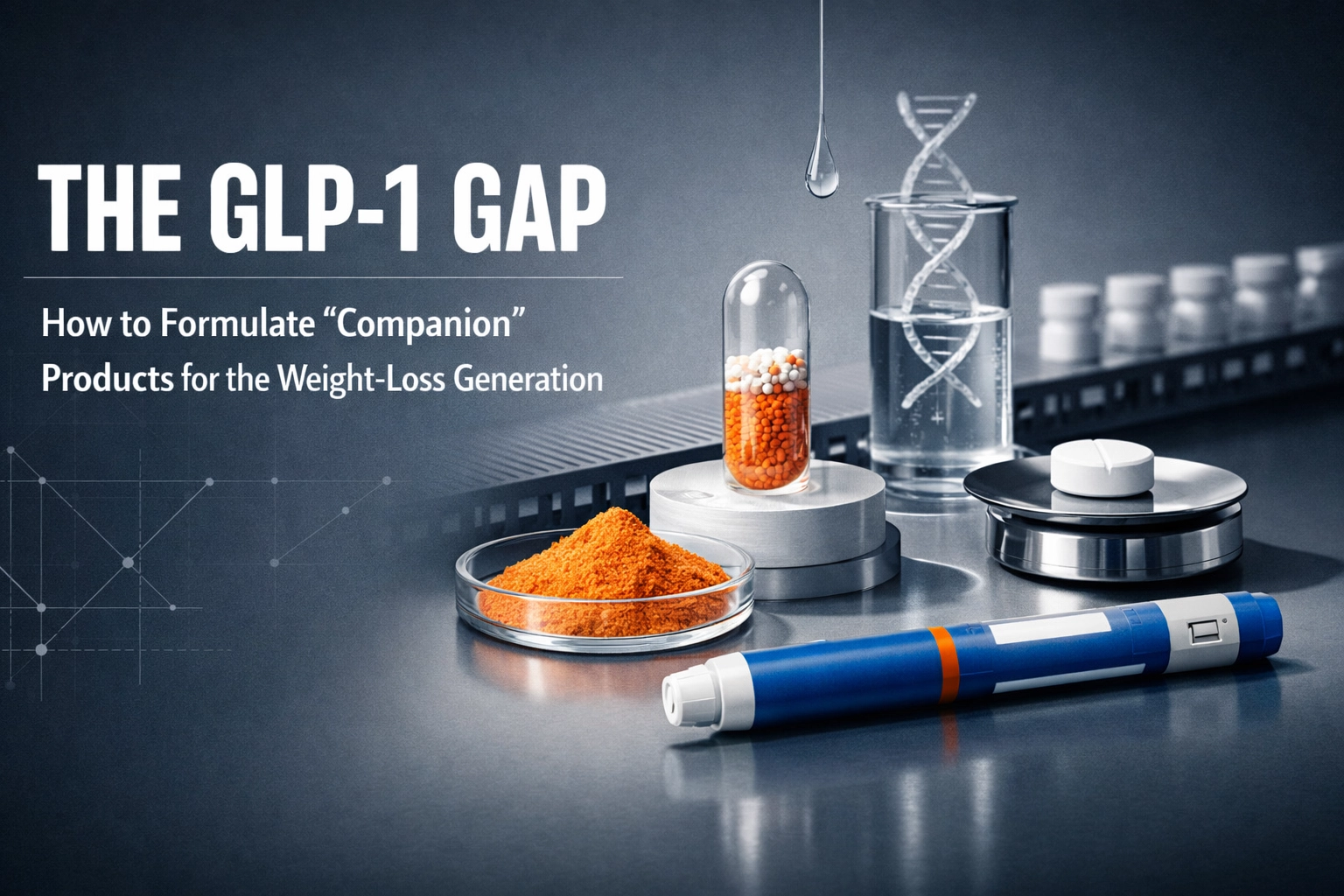
Here’s a stat that should wake you up: over half of U.S. adults could benefit from GLP-1 medications like Ozempic, Wegovy, and Mounjaro. That’s not a niche market, that’s a seismic shift in how millions of people approach weight loss. And while Big Pharma is cashing in, there’s a massive nutritional gap opening up that nobody’s talking about enough.
People are losing weight fast. Sometimes too fast. And when the pounds melt off, they’re not just losing fat, they’re losing muscle, bone density, and metabolic resilience. The result? A generation of GLP-1 users who desperately need companion products to protect what matters while they shed what doesn’t.
If you’re a product developer, beverage formulator, or supplement manufacturer, this is your moment. Let’s talk about the GLP-1 Gap, and how to fill it.
The Problem: Rapid Weight Loss Is a Double-Edged Sword
GLP-1 receptor agonists work brilliantly. They signal fullness to the brain, slow gastric emptying, and regulate blood sugar and hunger hormones. The clinical results speak for themselves: patients routinely lose 15-20% of their body weight.
But here’s the catch: when you lose weight that quickly without strategic intervention, you’re not just burning fat. You’re cannibalizing lean muscle mass. Studies show that up to 40% of weight lost on rapid diets can come from muscle, not fat. For GLP-1 users, that translates to:
- Decreased metabolic rate (less muscle = fewer calories burned at rest)
- Loss of functional strength (harder to carry groceries, climb stairs, live independently)
- Rebound weight gain (research from 2025 shows people who stop GLP-1s regain an average of 0.4kg monthly)
This isn’t just a clinical problem. It’s a formulation opportunity. Because while doctors are prescribing lifestyle changes “alongside” GLP-1s, consumers need actual products that make those changes work.
Enter the Companion Product Category
Think about it: when someone starts a GLP-1 medication, they’re committing to a 12–18 month journey (minimum). During that time, they face:
- Suppressed appetite (making it hard to eat enough protein)
- Nausea and digestive slowdowns
- Risk of nutrient deficiencies
- The need to preserve muscle while shedding fat
This creates demand for a new breed of products, let’s call them GLP-1 Companion Products, that solve these specific challenges. We’re talking about:
- High-protein, easy-to-digest shakes and bars formulated for people who can barely stomach a full meal
- Leucine-fortified beverages designed to trigger muscle protein synthesis even on low-calorie days
- Electrolyte + fiber hydration blends to combat dehydration and gut sluggishness
- Nutrient-dense “micro-meal” formats that pack vitamins, minerals, and BCAAs into small servings
The beauty? These aren’t medical foods. They don’t require FDA approval as drugs. They’re functional foods and supplements, which means faster time-to-market and broader distribution channels.
The Hero Ingredient: Leucine
If you’re only going to remember one ingredient from this post, make it Leucine.
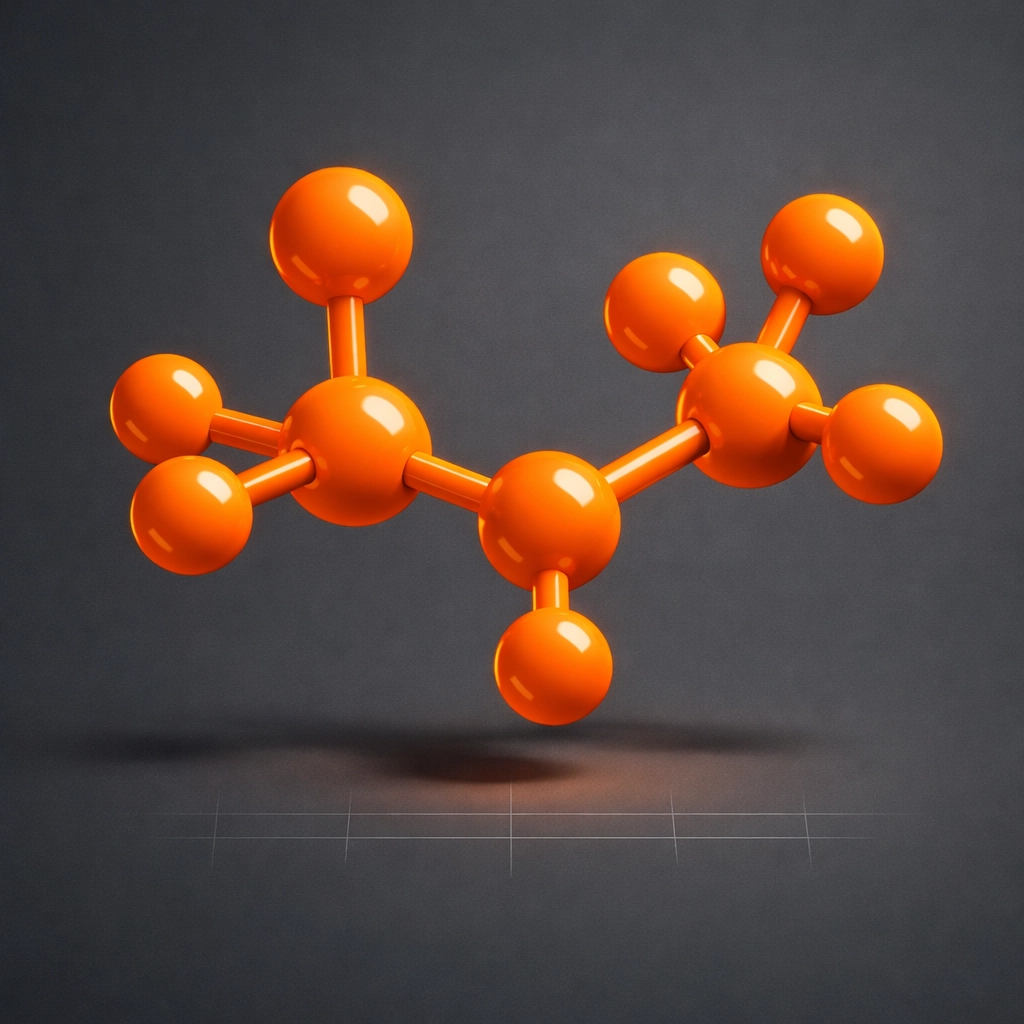
Leucine is a branched-chain amino acid (BCAA) that acts as the metabolic “ignition switch” for muscle protein synthesis. When leucine hits your bloodstream, it activates the mTOR pathway, essentially telling your muscles, “Hey, we’re building, not breaking down.”
Here’s why it’s critical for GLP-1 users:
1. Muscle Preservation Under Caloric Deficit
When you’re eating 1,200 calories a day (common on GLP-1s), your body wants to scavenge protein from muscle tissue for energy. Leucine flips that script by signaling that protein should be used for muscle maintenance, not burned for fuel.
2. Low Dose, High Impact
You don’t need massive servings. Studies show that 2.5–3 grams of leucine per meal is enough to maximize muscle protein synthesis, even on a restricted diet. That makes it perfect for small-format products (think: 8oz RTD shakes or single-serve powder sachets).
3. Fast Absorption
Leucine gets to work within 30 minutes of ingestion. For someone battling nausea or early satiety, that speed matters. You want nutrients that act quickly and don’t sit heavy in the stomach.
4. Synergy with Protein
Leucine works even better when paired with high-quality complete proteins (whey, pea, or collagen blends). A 20g protein shake with 3g of added leucine? That’s a muscle-preserving powerhouse.
McBoeck Insight: We’ve been sourcing pharmaceutical-grade Leucine for years, and demand just doubled in Q1 2026. Manufacturers are waking up to this, but supply chains are tightening. If you’re planning a leucine-fortified product launch, now’s the time to lock in your ingredient partnerships, not six months from now when everyone else catches on.
The Supporting Cast: Other Key Ingredients
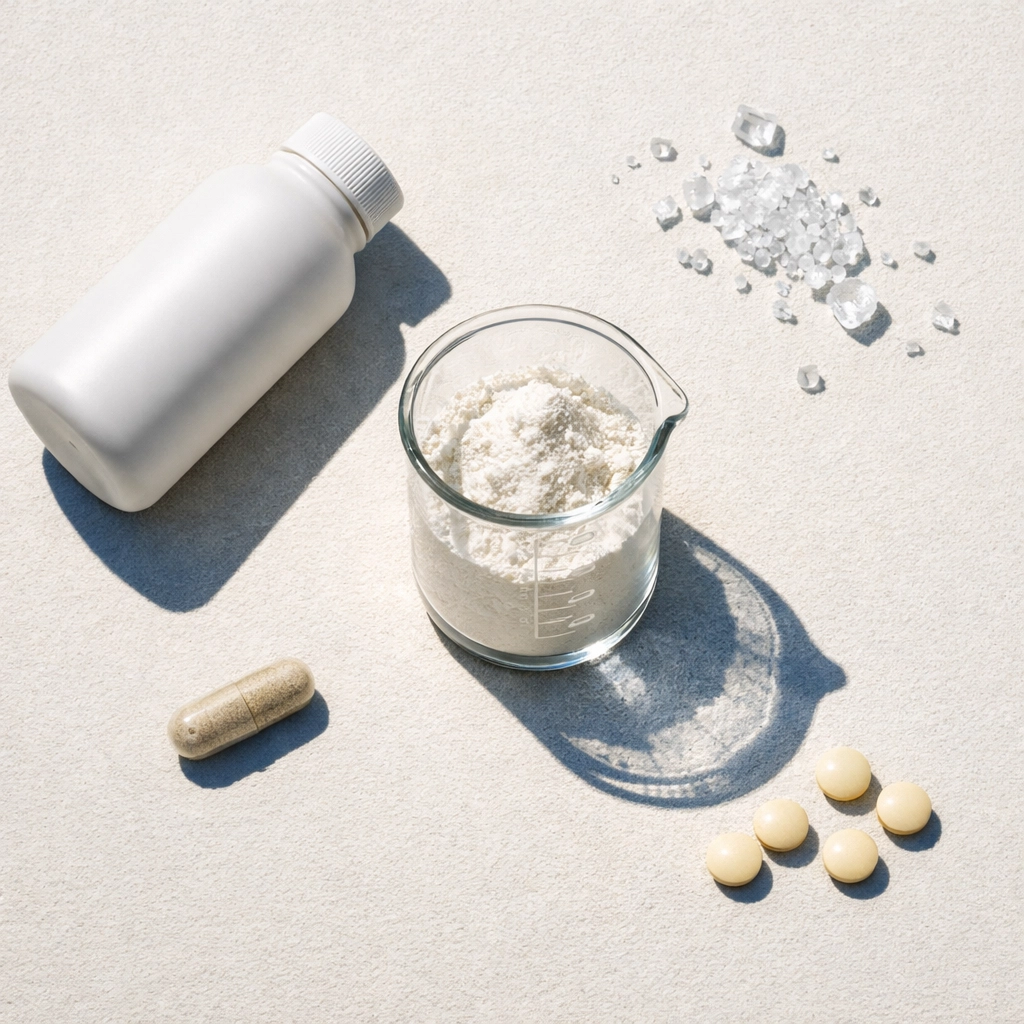
Leucine is the star, but it needs a solid ensemble. Here’s what else belongs in a best-in-class GLP-1 companion formula:
High-Quality Protein (20–30g per serving)
Go for fast-digesting options like whey isolate or plant-based blends (pea + rice). The goal: deliver all nine essential amino acids without overwhelming a sensitive stomach.
Electrolytes (Sodium, Potassium, Magnesium)
GLP-1 users often don’t drink enough water (suppressed thirst cues) or lose electrolytes through reduced food intake. Sodium and potassium prevent cramping, fatigue, and brain fog. Magnesium supports muscle function and sleep quality.
Soluble Fiber (5–8g per serving)
Psyllium husk or inulin can counteract the constipation caused by slowed gastric emptying. Bonus: fiber improves satiety and supports the gut microbiome, which takes a hit during rapid weight loss.
Vitamin D3 + Calcium
Rapid weight loss increases the risk of bone density loss. Pairing these two in a single serving protects skeletal health while muscle preservation is prioritized.
Creatine Monohydrate (optional but smart)
Emerging research suggests creatine helps preserve lean mass during caloric restriction, and it’s cheap, stable, and widely accepted by consumers.
Market Opportunity: The Numbers Don’t Lie
Let’s get real about scale. The GLP-1 drug market is projected to hit $100 billion annually by 2030. Even if companion products capture just 5% of that addressable market, we’re talking about a $5 billion opportunity.
And it’s not just supplements. Think about:
- RTD Protein Shakes marketed as “GLP-1 Support” or “Lean Muscle Maintenance”
- Functional Snack Bars with leucine, fiber, and 15g of protein in a 150-calorie format
- Hydration Powders designed for people who struggle to drink plain water
- Meal Replacement Smoothies specifically portioned for reduced appetite
The direct-to-consumer channel is exploding, and accessibility is improving fast (hello, oral Wegovy pill approved in 2026). Your buyers aren’t just at GNC anymore: they’re on Instagram, TikTok, and subscription wellness platforms.
Design for the GLP-1 User Experience
Here’s where most brands screw up: they treat GLP-1 users like generic dieters. They’re not.
What GLP-1 users actually need:
✅ Small serving sizes – A 16oz shake is a chore. An 8oz format? Manageable.
✅ Mild, clean flavors – Nausea makes overly sweet or artificial flavors intolerable. Think vanilla bean, light berry, unflavored.
✅ Texture matters – Thin, smooth liquids go down easier than thick, chalky shakes.
✅ Convenience – Single-serve formats win. Nobody wants to scoop powder when they’re queasy.
✅ Transparency – This audience reads labels. Don’t hide behind proprietary blends. List your leucine content. Show your protein source. Be honest about sugar alcohols.
McBoeck Insight: Manufacturers who win in this space will be the ones who formulate with GLP-1 users, not for them. Run taste panels with people actually on these medications. Ask about texture, aftertaste, and how the product sits in their stomach. The insights will change your formula: and your sales.
Why McBoeck?
Look, you can source leucine and protein from a dozen suppliers. But here’s the difference: we’ve been in the pharmaceutical and nutraceutical ingredient business for decades. We know which suppliers deliver consistent particle size, which batches pass heavy metal testing, and which ingredients play nicely together in liquid formats.
When Ozempic exploded in 2023, we didn’t wait for a trend report: we started building leucine inventory and validating production partners. That’s why our clients launched GLP-1 companion products in Q4 2025 while competitors are still waiting on raw materials.
If you’re serious about entering this space, you need a partner who understands the regulatory landscape, can troubleshoot stability issues in RTD formats, and won’t leave you scrambling when demand spikes.
The Bottom Line
The GLP-1 revolution isn’t slowing down: it’s accelerating. And every single person starting one of these medications is a potential customer for the right companion product. But here’s the thing: this window won’t stay open forever.
Right now, the market is still figuring out what “GLP-1 support” even means. The brands that define this category in 2026 will own it in 2028. The ones who wait? They’ll be playing catch-up with inferior formulas and supply chain headaches.
So here’s your action plan:
- Lock in your leucine supply – Demand is surging. Don’t get priced out.
- Formulate for the user experience – Small, smooth, simple.
- Test with real GLP-1 users – Their feedback is gold.
- Partner with people who’ve done this before – That’s us.
The GLP-1 Gap is real. The opportunity is massive. And the ingredients you need? We’ve got them ready to ship.
Let’s build something that actually helps people keep the weight off: and the muscle on.
Ready to formulate your GLP-1 companion product? Let’s talk. We’ll walk you through ingredient selection, stability testing, and supply strategy: so you can launch faster and smarter than the competition.