
![[HERO] Looking For Reliable Chemical Ingredient Supply? Here Are 10 Things You Should Know](https://cdn.marblism.com/5aTjyvLRtKk.webp "Looking For Reliable Chemical Ingredient Supply? Here Are 10 Things You Should Know 1")
Here’s a number that should keep you up at night: 60% of supply chain disruptions originate from tier-two or tier-three suppliers: companies you’ve probably never even heard of. Yet your entire production line depends on them.
Finding a reliable chemical ingredient supplier isn’t just about price per kilogram. It’s about building a partnership that protects your margins, your reputation, and your ability to deliver. Get it wrong, and you’re looking at production delays, compliance nightmares, and customers who won’t wait around while you figure things out.
So before you sign that next supplier agreement, here are ten things you absolutely need to know.
1. Certifications Aren’t Optional: They’re Your First Line of Defense
Let’s start with the basics. Any supplier worth their salt should hold ISO/GMP certifications and demonstrate compliance with regulatory bodies like the FDA, REACH, or whatever applies to your specific industry.
This isn’t about collecting badges. It’s about ensuring every ingredient that enters your facility meets the standards your customers (and regulators) expect. Ask for documentation. Verify it. A supplier who hesitates here is waving a red flag.
McBoeck Insight: We maintain rigorous compliance across every market we serve: from pharmaceuticals and nutraceuticals to food and beverages. Because when you’re working with us, compliance is built into the foundation.
2. Quality Control Should Be Obsessive (Not Just Adequate)
Here’s a question: Does your supplier conduct quality audits regularly, or just when something goes wrong?
Look for documented quality management systems, batch-to-batch consistency, and variation rates below 0.1%. The best suppliers treat quality control like a religion: not an afterthought.

3. Always Demand a Certificate of Analysis (COA)
If a supplier can’t provide a detailed Certificate of Analysis for every shipment, walk away. Seriously.
A proper COA should include:
- Purity levels (aim for 99%+ for critical solvents)
- Moisture content
- pH levels
- Impurity profiles (below 0.01% for high-grade applications)
- Testing methodology (HPLC/MS, FTIR, etc.)
This document is your proof that what’s on the label matches what’s in the drum. Don’t compromise here.
4. Safety Documentation Is Non-Negotiable
Every chemical ingredient should come with OSHA-compliant Safety Data Sheets (SDS). But go deeper: ask about specification sheets that detail allergens, microbiological limits, and handling requirements.
For hazardous materials, verify that your supplier has spill response plans and PPE training records on file. This isn’t bureaucracy; it’s protecting your team and your facility.
5. Supply Chain Reliability Separates the Pros from the Amateurs
You can have the best ingredients in the world, but if they don’t show up on time, none of it matters.
Evaluate suppliers on their on-time delivery rates: anything below 95% should raise eyebrows. Ask tough questions:
- What’s your capacity to scale with my demand?
- Do you have contingency plans for disruptions?
- Where are your inventory positions located?
That last question matters more than you might think.
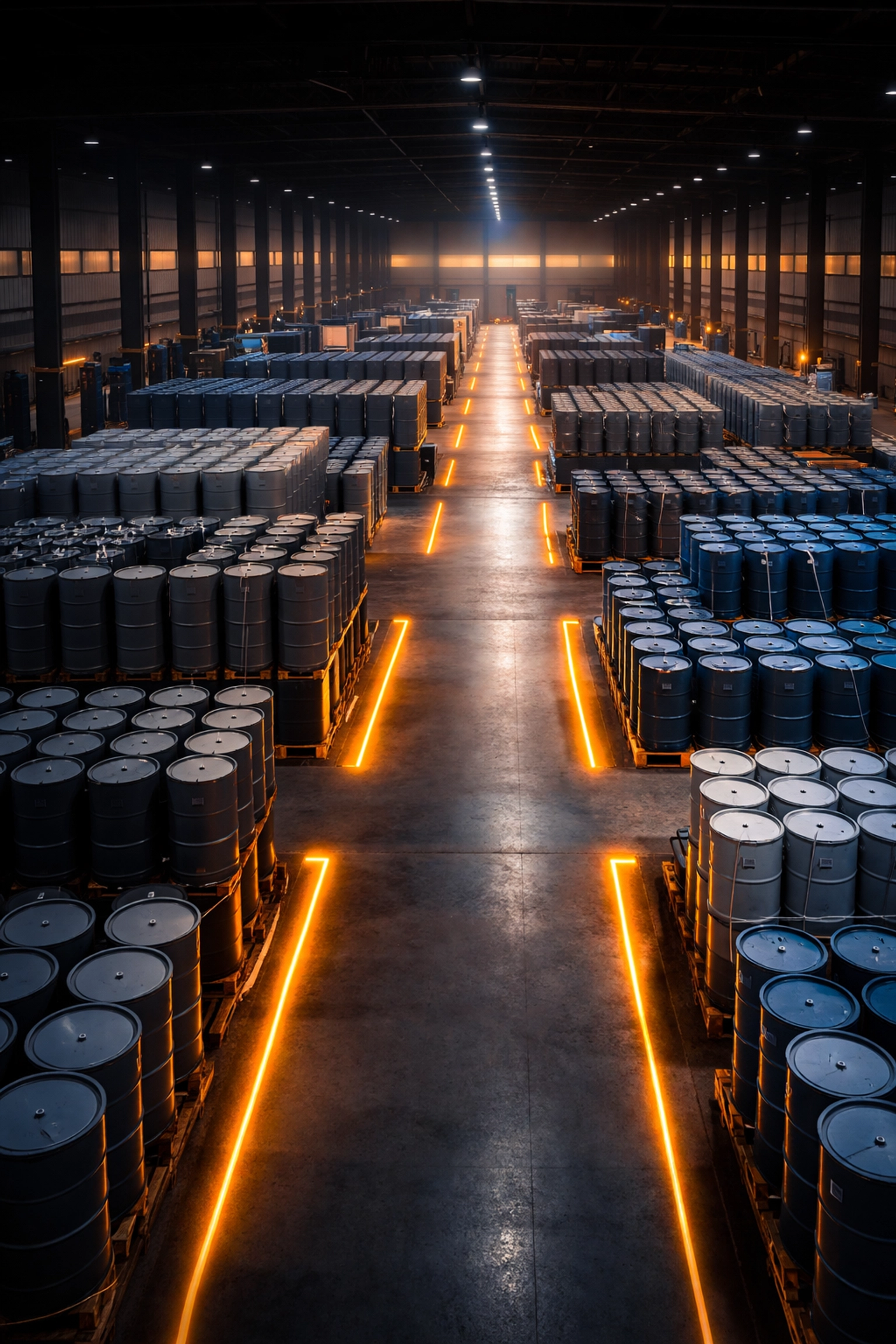
McBoeck Insight: We’ve strategically positioned inventory in both the US and Europe to ensure faster delivery times and protection against regional disruptions. Whether you’re manufacturing in Texas or Frankfurt, we’ve got you covered. Learn more about how we build tariff-proof supply chains.
6. Financial Stability Predicts Long-Term Partnership Potential
Nobody wants to build a relationship with a supplier who might not exist in two years.
Do your homework:
- Check credit ratings (Dun & Bradstreet scores above 80 are a good benchmark)
- Look for consistent revenue growth (5-10% annually signals health)
- Investigate any recent legal disputes or bankruptcy filings
A financially stable supplier can invest in quality, innovation, and the kind of service that makes your life easier.
7. Hazmat and Logistics Compliance Protects Everyone
If you’re dealing with hazardous materials: and in the chemical industry, you probably are: logistics compliance is critical.
Verify that your supplier uses:
- UN-rated, DOT-compliant packaging
- Hazmat-certified transporters
- Real-time tracking capabilities
One transportation incident can create regulatory headaches that haunt you for years. Choose suppliers who take this as seriously as you do.
8. Transparency Means Knowing the Whole Supply Chain
Here’s where things get interesting. A great supplier doesn’t just know their own processes: they understand their entire supply chain from point of manufacture to your loading dock.
Ask about their upstream suppliers. Inquire about their quality systems. Understand where potential bottlenecks or risks might hide.
McBoeck Insight: Transparency isn’t a buzzword for us: it’s how we operate. We maintain visibility across our entire supply network so you never have to wonder where your ingredients are coming from or how they’re handled. Check out our quality standards to see what we mean.

9. Sustainability Credentials Are Good Business (Not Just Good PR)
Let’s be real: sustainability matters to your customers, your investors, and increasingly, to regulators. Partnering with suppliers who prioritize ESG (Environmental, Social, and Governance) standards isn’t just ethical: it’s strategic.
Look for:
- RSPO or bio-based certifications where applicable
- Carbon emissions data showing meaningful reductions (10-15% lower is a solid benchmark)
- EcoVadis ratings: Gold or Platinum ratings indicate serious commitment
Choosing sustainable suppliers future-proofs your brand and opens doors to markets that increasingly demand it.
10. Technical Support Should Feel Like Partnership
The best suppliers don’t just ship products: they help you succeed with them.
Evaluate the level of technical support available:
- Can they provide formulation guidance?
- Do they offer access to detailed technical data?
- What’s their response time? (Under 24 hours is the standard you should expect)
When questions arise: and they will: you want a partner who picks up the phone, not one who disappears until the next invoice.
Building Your Approved Supplier List
Finding one great supplier is a win. Building a system for evaluating all your suppliers? That’s a competitive advantage.
Consider implementing:
| Element | Purpose |
|---|---|
| Approved Supplier List | Centralized record of vetted partners |
| Periodic Reviews | Scheduled reassessments to ensure ongoing quality |
| Risk-Based Prioritization | Focus extra attention on suppliers of critical or high-value ingredients |
| Strategic Relationships | Deeper partnerships with key suppliers for better terms and collaboration |
This structured approach protects product safety, ensures quality, and keeps costs predictable over time.
The Bottom Line
Reliable chemical ingredient supply isn’t about finding the cheapest option or the fastest delivery. It’s about building relationships with partners who share your commitment to quality, compliance, and consistency.
The ten factors above aren’t a checklist to file away: they’re the foundation of a sourcing strategy that protects your business and positions you for growth.
At McBoeck, we’ve built our entire operation around these principles. With strategic inventory in the US and Europe, obsessive quality standards, and a team that actually answers the phone, we’re ready to be the partner you’ve been looking for.
Ready to talk? Get in touch with us and let’s build something great together.