
![[HERO] How to Build a Tariff-Proof Ingredient Supply Chain in 5 Steps (Easy Guide for Manufacturers)](https://cdn.marblism.com/l01t6MEd6Ul.webp "How to Build a Tariff-Proof Ingredient Supply Chain in 5 Steps (Easy Guide for Manufacturers) 1")
Tariffs don’t ask for permission. They just show up, and suddenly your margins evaporate.
If you’re a manufacturer relying on imported ingredients, you’ve probably felt the sting. One policy shift, one geopolitical tremor, and your carefully balanced supply chain becomes a liability. The question isn’t if tariffs will disrupt your operations again. It’s when.
But here’s the thing: the smartest manufacturers aren’t scrambling when tariffs hit. They’ve already built supply chains that bend without breaking. And you can too.
Let’s walk through five actionable steps to tariff-proof your ingredient supply chain, so you can focus on growth instead of damage control.
Why Tariff Resilience Matters More Than Ever
Global trade has never been more unpredictable. Section 301 tariffs, steel and aluminum duties, shifting trade agreements, these aren’t anomalies anymore. They’re the new normal.
For manufacturers sourcing chemical ingredients, food additives, or specialty raw materials internationally, this volatility creates real problems:
- Sudden cost spikes that wreck your pricing strategy
- Supply disruptions that halt production lines
- Compliance headaches that drain time and resources
The manufacturers who thrive in this environment aren’t the ones with the deepest pockets. They’re the ones with the most adaptable supply chains.

Step 1: Map Your Entire Supply Chain (Then Find the Weak Spots)
You can’t fix what you can’t see.
Start by creating a comprehensive inventory of every supplier, every material, and every country of origin in your supply chain. This isn’t a one-time exercise, it’s a living document that your procurement team should update regularly.
Here’s what your map should include:
- Current primary suppliers for each ingredient
- Alternative suppliers (domestic and international)
- Country of origin for every raw material
- Current tariff exposure for each component
- Lead times and minimum order quantities
Once you’ve got the full picture, identify where tariffs hit hardest. Which materials are most vulnerable? Which suppliers have no backup? These are your weak spots, and your starting points for building resilience.
McBoeck Insight: We’ve seen too many manufacturers discover their supply chain vulnerabilities after a tariff announcement. The time to map your exposure is now, before the next policy shift catches you off guard. Our team regularly helps clients audit their ingredient sourcing to identify hidden risks.
Step 2: Leverage Free Trade Agreements Like a Pro
Free Trade Agreements (FTAs) aren’t just for policy wonks. They’re powerful tools that can slash your tariff burden, if you know how to use them.
The key is understanding rules of origin. These rules determine whether your products qualify for preferential tariff treatment under agreements like USMCA (for North America) or various EU trade partnerships.
To qualify, you typically need to prove that:
- A specific percentage of your product’s value originates from partner countries
- Manufacturing or processing meets certain requirements
- Documentation is complete and accurate
This isn’t about gaming the system. Regulators are increasingly examining the totality of your supply chain circumstances, not just your paperwork. Your sourcing strategy needs to reflect genuine production processes.
Quick wins to explore:
- Source ingredients from FTA partner countries
- Adjust manufacturing locations to meet origin requirements
- Work with customs experts to ensure proper classification
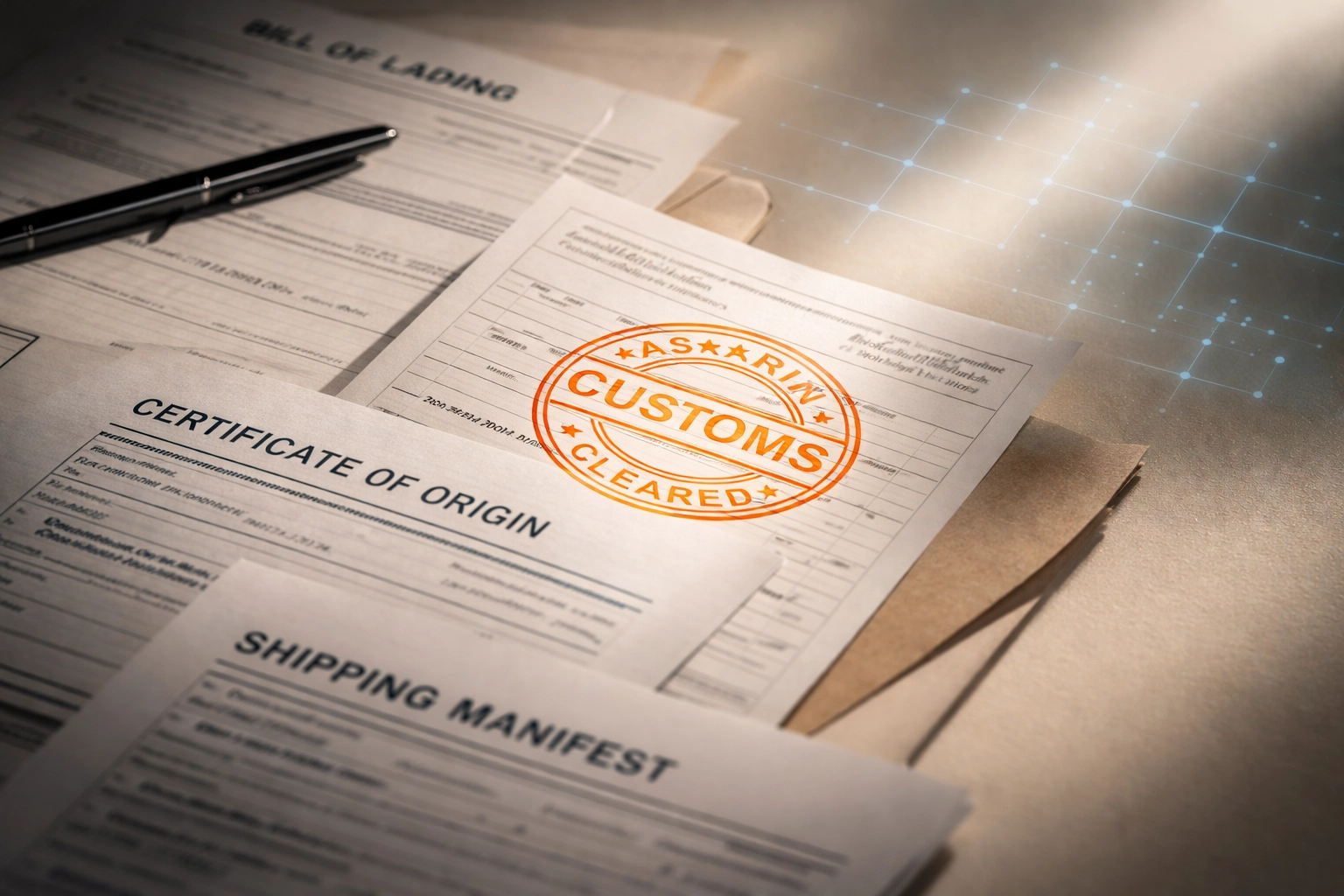
Step 3: Optimize Your Product Classification
Here’s a secret that saves manufacturers thousands: the way your ingredients are classified matters enormously.
Every imported product gets assigned a Harmonized System (HS) code, which determines its tariff rate. But here’s where it gets interesting, the same material at different processing levels can qualify for completely different rates.
What to do:
- Audit your current HS classifications for accuracy
- Identify materials that might qualify for more favorable codes
- Consider whether changing the processing level of inputs could reduce duties
- Explore material substitutions (replacing high-tariff inputs with lower-duty alternatives)
This isn’t about cutting corners. It’s about making sure you’re not overpaying due to misclassification, something that happens more often than you’d think.
McBoeck Insight: We’ve helped clients uncover significant savings simply by reviewing their product classifications. Sometimes the fix is as simple as adjusting documentation. Other times, it means rethinking how materials are processed before they reach you.
Step 4: Diversify with Domestic and Regional Sourcing
The most bulletproof way to avoid tariffs? Source ingredients that never cross a tariff-affected border in the first place.
Domestic and regional sourcing eliminates tariff exposure entirely, but the benefits go further:
- Shorter lead times mean faster response to demand changes
- Reduced shipping costs improve your total cost of ownership
- Supply chain reliability increases when you’re not dependent on overseas logistics
- Simplified compliance with fewer international regulations to navigate
Yes, domestic ingredients sometimes carry higher upfront costs. But when you factor in tariffs, freight, port handling, insurance, and the risk of delays, the math often favors local sourcing.
The strategic play: Build a hybrid network with both domestic and international suppliers. This gives you flexibility to shift sourcing based on market conditions: without scrambling when tariffs change.

McBoeck Insight: This is exactly why we’ve invested in strategic inventory positioning across both the US and Europe. When one market faces tariff pressure, our clients can pivot to pre-positioned inventory in the other: without production delays. It’s supply chain resilience by design, not by accident. Learn more about our approach.
Step 5: Take Advantage of Tariff Exclusions and Duty Programs
Governments don’t just impose tariffs: they also create programs to soften the blow. The manufacturers who win are the ones who know how to access these relief mechanisms.
Programs worth exploring:
| Program | What It Does |
|---|---|
| Section 301/232 Exclusions | Exemptions for specific products from China-related or steel/aluminum tariffs |
| Duty Drawback | Refunds on tariffs paid for imported materials if your final product is exported |
| Foreign Trade Zones (FTZ) | Designated areas where goods can be imported, manufactured, and re-exported without paying duties |
| Bonded Warehouses | Temporary import programs that defer or eliminate duties |
These programs require paperwork and compliance: but the savings can be substantial. If you’re exporting finished goods, duty drawback alone can recover up to 99% of the tariffs you’ve paid on imported ingredients.
Pro tip: Don’t wait until tariffs hit to explore these options. The application processes can take time, and you want relief mechanisms in place before you need them.
Building Resilience Is an Ongoing Process
Tariff-proofing your supply chain isn’t a one-and-done project. It’s a mindset shift: from reactive firefighting to proactive planning.
The five steps we’ve covered create a foundation:
- Map your supply chain to know where you’re vulnerable
- Leverage FTAs to access preferential rates
- Optimize classification to avoid overpaying
- Diversify sourcing with domestic and regional options
- Access relief programs to recover duties and defer costs
But the real advantage comes from treating supply chain resilience as an ongoing strategic priority: not something you think about only when tariffs make headlines.

Ready to Tariff-Proof Your Ingredient Sourcing?
At McBoeck, we’ve built our entire business around helping manufacturers navigate exactly these challenges. Our strategic inventory positioning across the US and Europe, deep expertise in international trade, and commitment to quality mean you’re not just getting ingredients: you’re getting a partner who understands the global landscape.
The next tariff announcement is coming. The only question is: will you be ready?
Get in touch with our team to discuss how we can help you build a more resilient supply chain( before the next disruption hits.)